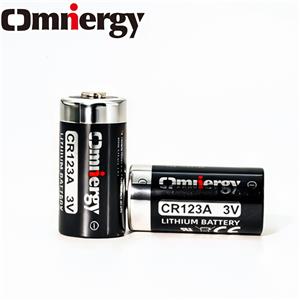
CR17450 3V 2400mAh Primary Lithium Manganese Dioxide LiMnO2 Cylindrical Battery

- Omnergy
- China
- 15 days
- 750 million per year
Source the high-capacity CR17450 3V 2400mAh primary lithium manganese battery LiMnO2. Features an ultra-low ≤2% self-discharge and -40°C to +70°C range. Perfect for utility meters, TPMS, and oil well logging.
CR17450 3V 2400mAh Primary Lithium Manganese Dioxide LiMnO2 Cylindrical Battery
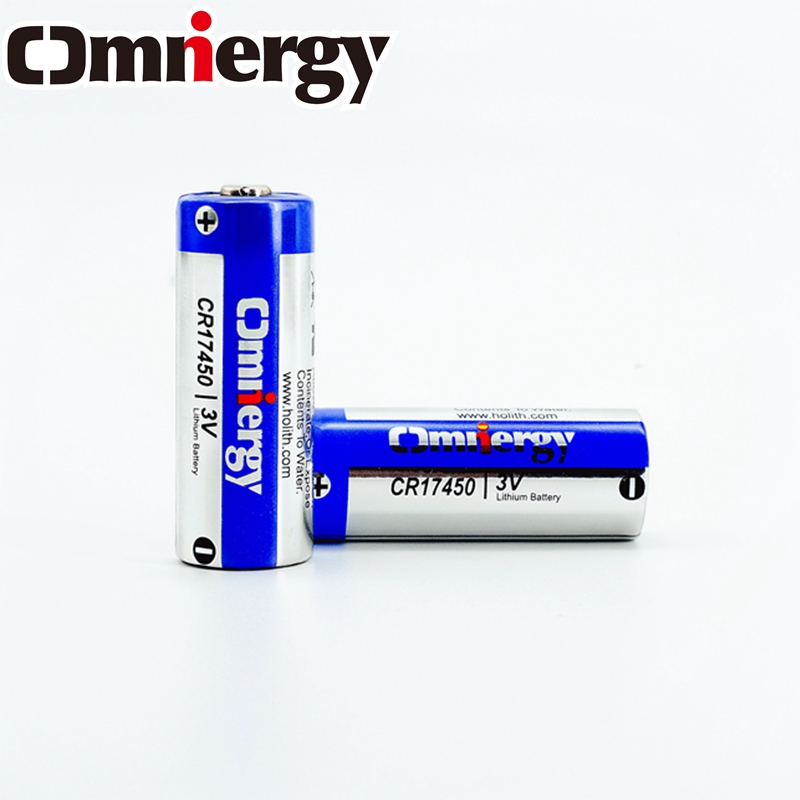
High-Capacity 2400mAh Power Reserve. Engineered for Decadal Lifecycles in Extreme Field Environments.
When remote infrastructure, safety-critical medical instrumentation, or subsurface assets require deep standby lifecycles, battery failure means expensive field maintenance or data loss. The CR17450 3V 2400mAh Primary Lithium Manganese Battery provides the dense energy reservoir necessary to keep low-power hardware running reliably for years without intervention.
Measuring 17.0 × 45.0mm and weighing 24g, this non-rechargeable cell delivers an impressive 2400mAh capacity profile. It offers a substantial capacity upgrade over standard AA-sized lithium cells, maintaining stable operational currents across wide temperature cycling without suffering from premature passivation.
Technical Specifications of CR17450 3V 2400mAh Cylindrical Battery
| Industrial Engineering Parameter | Certified Value |
| Model Designation | CR17450 |
| Chemical Matrix | Lithium Manganese Dioxide (LiMnO2, Primary) |
| Nominal Voltage | 3.0V |
| Nominal Capacity | 2400mAh |
| Physical Dimensions | Diameter: 17.0 mm × Height: 45.0 mm |
| Net Weight | 24.0g |
| Annual Self-Discharge Rate | ≤ 2% per year (Stored at standard 20°C) |
| Operational Temperature Window | -40°C to +70°C |
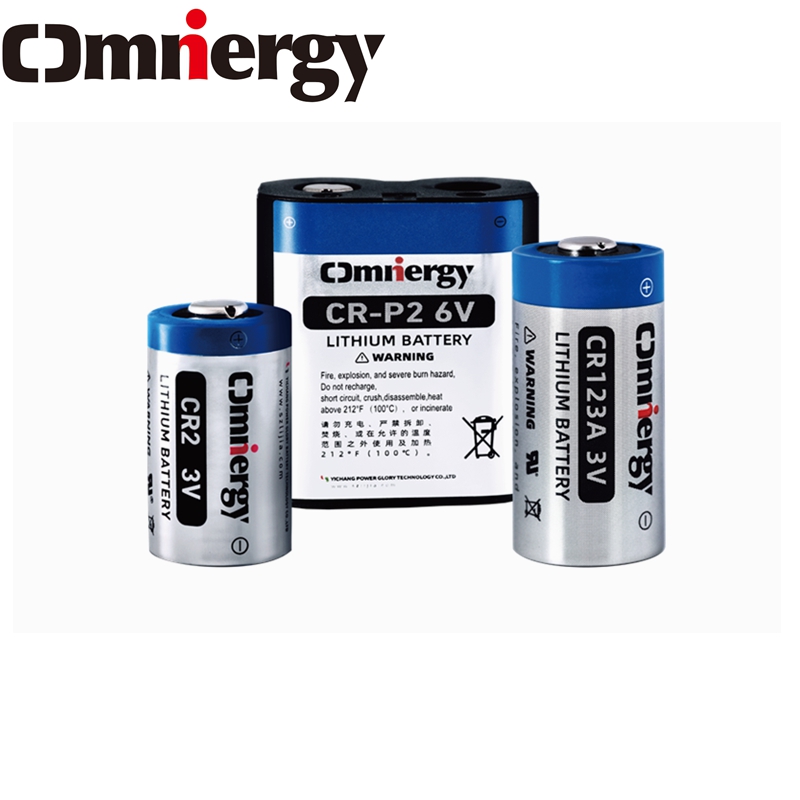
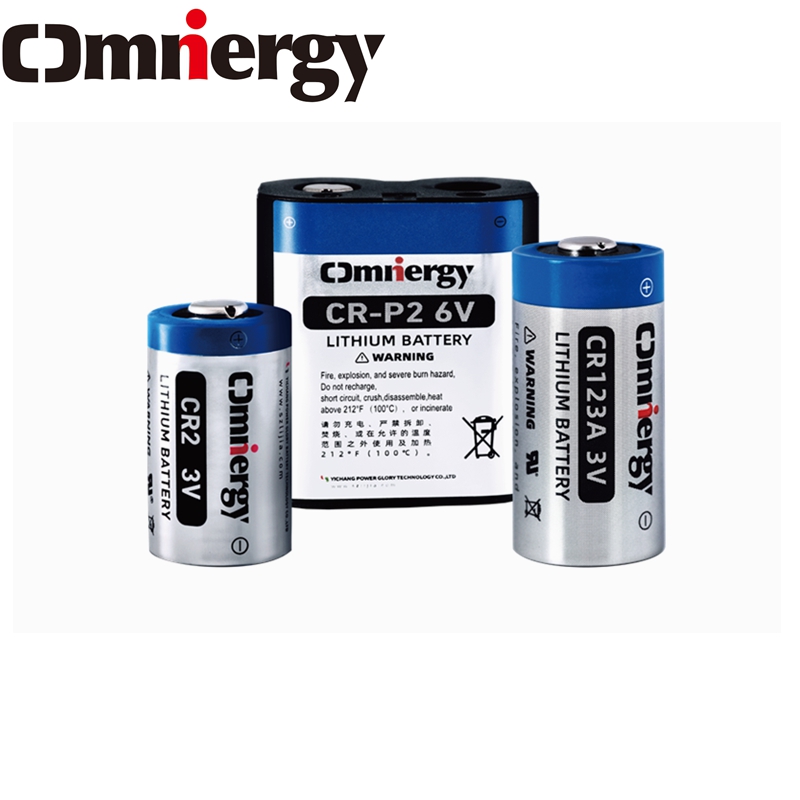
Full range of lithium manganese cylindrical batteries
| Model | Nominal Voltage(V) | Nominal Capacity (mAh) | Maximum Continuous Current (mA) | Maximum Pluse Current (mA) | Max Dimension (mm) | Working Temperature(℃) | Weight(g) |
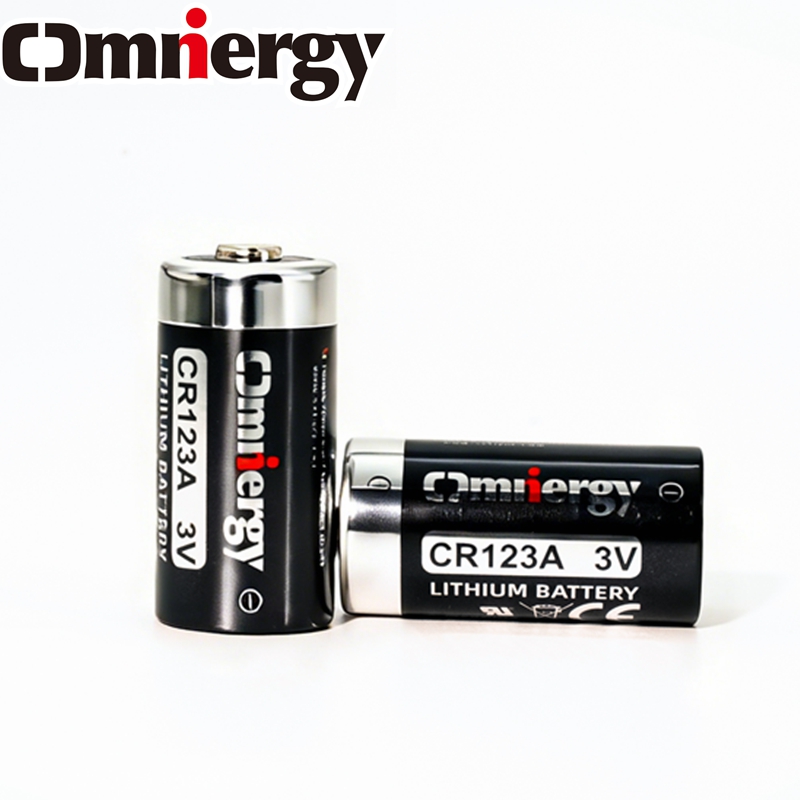
| CR123A | 3 | 1500 | 1500 | 3000 | Φ17.0*34.5 | -40~+70 | 16 |
| CR123A | 3 | 1700 | 1500 | 3000 | Φ17.0*34.5 | -40~+70 | 16 |
| CR2 | 3 | 900 | 1000 | 2000 | Φ15.6*27.0 | -40~+70 | 11 |
| CR2 | 3 | 1000 | 1000 | 2000 | Φ15.6*27.0 | -40~+70 | 11 |
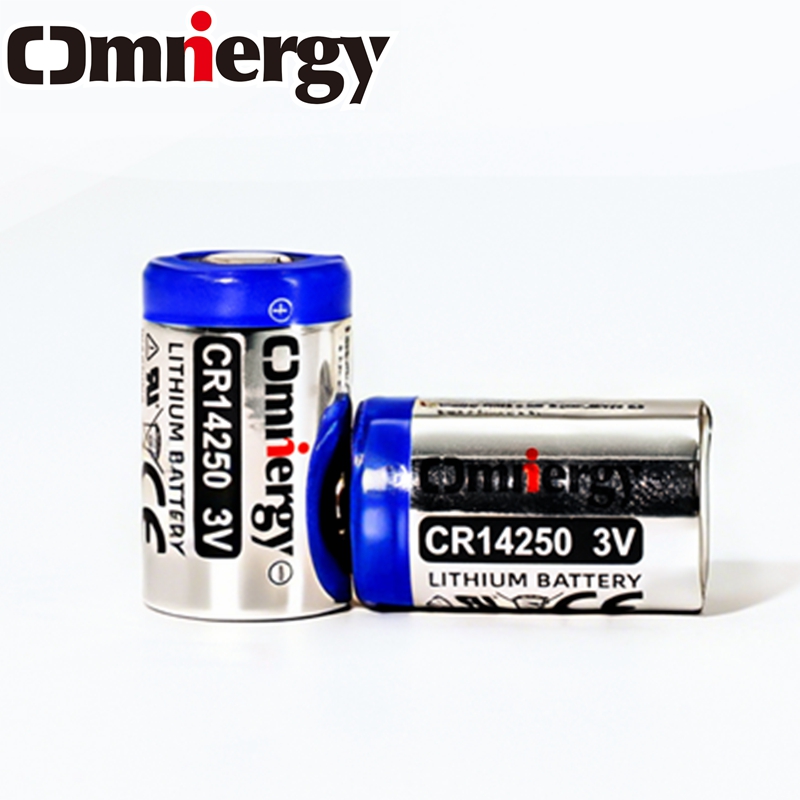
| CR14250 | 3 | 800 | 800 | 1500 | Φ14.5*25.0 | -40~+70 | 9 |
| CR17450 | 3 | 2400 | 1500 | 3000 | Φ17.0*45.0 | -40~+70 | 24 |
| CR14505 | 3 | 1600 | 1500 | 2000 | Φ14.5*50.5 | -40~+70 | 17 |
| CR-1/3N | 3 | 170 | 80 | 160 | Φ11.6*10.8 | -40~+70 | 3 |
| CR-P2 | 6 | 1500 | 1500 | 3000 | Φ19.5*36.0*33.4 | -40~+70 | 38 |
| CR-P2 | 6 | 1700 | 1500 | 3000 | Φ19.5*36.0*33.4 | -40~+70 | 38 |
Core Engineering Advantages & B2B Utility
1. High-Pulse Spiral-Wound Internal Layout
Unlike bobbin-style batteries that struggle under sudden current draws, our CR17450 features a precision spiral-wound inner electrode configuration. This layout drastically increases the internal active surface area, allowing the cell to deliver the instantaneous high-pulse surge currents required by RF transceivers, cellular components, and remote signaling units without dropping terminal voltage below the microprocessor's cutoff limit.
2. Industry-Leading Long-Term Storage (≤2% Annual Self-Discharge)
By pairing a high-purity lithium metal anode with a robust, hermetic glass-to-metal seal, the CR17450 restricts internal chemical self-discharge to less than 2% per year. This allows your devices to sit in deep-sleep or warehouse storage for up to a decade and still deploy full rated capacity upon wake-up.
3. Radical Temperature Stabilization (-40°C to +70°C)
The cell utilizes a specialized low-viscosity organic electrolyte. This formula prevents sluggish ionic mobility in extreme sub-zero conditions (-40°C) while remaining structurally sound and leak-proof against intense internal pressure build-up in high-heat zones (+70°C).
Targeted Industry Deployments
Global hardware designers and commercial procurement managers integrate our industrial-grade CR17450 across four highly demanding technical verticals:
Marine, Subsurface & Space Exploration
Petroleum Oil Wells: Powering downhole logging tools, seismic sensors, and automated drill-string data collectors exposed to intense geological heat and pressures.
Marine Telemetry Systems: Acting as the primary power cell for offshore oceanographic data buoys, deep-sea sonar arrays, and underwater communication links.
Marine Lifesaving Systems: Energizing safety-critical asset location beacons, life raft emergency transponders, and automated survival strobe arrays.
Automotive, Fleet Logistics & Telematics
Tire Pressure Monitoring Systems (TPMS): Withstanding heavy continuous centrifugal force, mechanical shock, and rapid pavement heat inside commercial vehicle wheels.
Positioning & Tracking Devices: Providing an extended standby power baseline for cellular GPS tracking modules mounted on global intermodal shipping containers, cargo flats, and rail fleets.
Wireless Communication Infrastructure: Fueling remote mesh network nodes, telemetry relays, and emergency signal transceivers.
Utilities, Smart Cities & Data Protection
Memory & Data Backup Power: Securing critical configuration records, non-volatile SRAM files, and register tables in enterprise server modules and industrial PLCs.
Clock Power Supply: Ensuring continuous precision for real-time clocks (RTC) on heavy mainboards during prolonged main facility blackouts.
Automated Instrumentation Equipment: Serving as the internal power source for handheld calibration gauges, industrial flow meters, and smart testing metrics systems.
Temperature Monitors & Smart Meters: Powering remote environmental temperature loggers alongside intelligent municipal gas, water, and heat utility meters.
Commercial Security, Medical Tech & Professional Optics
Security Alarms: Fueling commercial wireless passive infrared (PIR) motion sensors, glass-break detectors, entry sensors, and automated facility sirens.
Medical Devices: Delivering highly dependable, stable power loops for clinical diagnostic tools, portable monitors, and field-testing medical hardware.
High-Intensity Flashlights & Digital Cameras: Supplying rapid energy recycling for tactical flashlights, target illumination gear, aiming optics, and professional digital imaging hardware.
Why Partner With Us for Volume CR17450 Procurement?
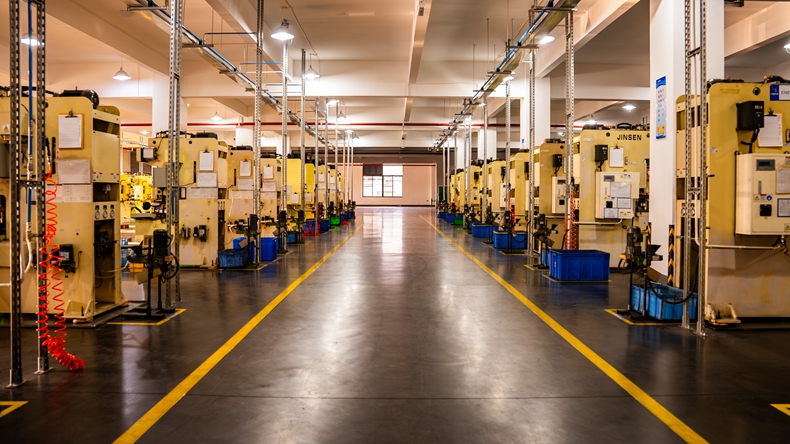
As a dedicated component manufacturer, we understand that industrial buyers require strict quality control and seamless integration with automated production.
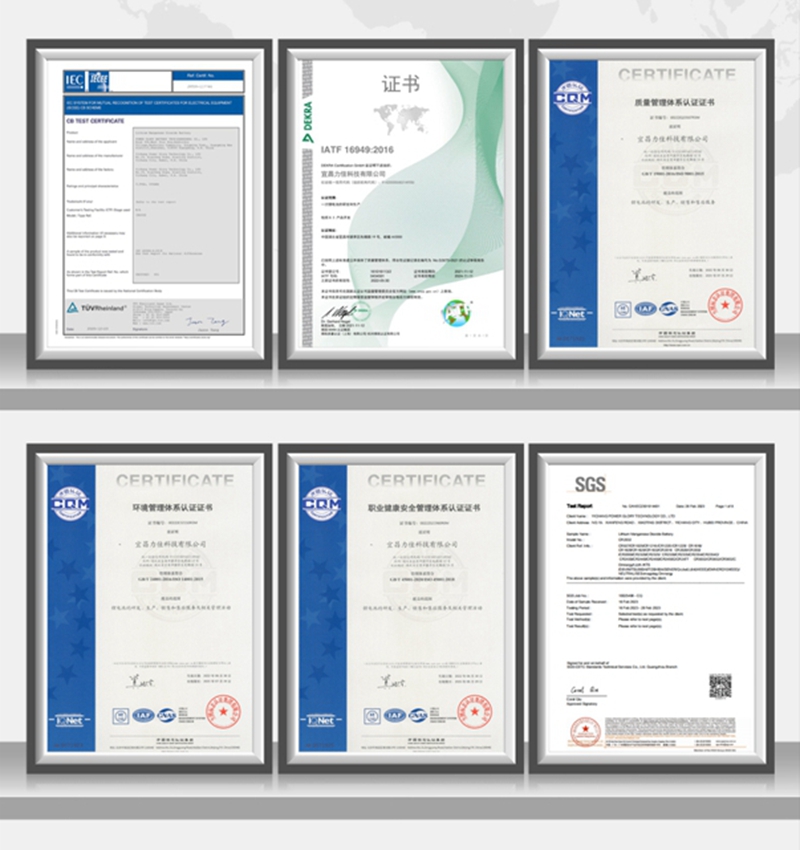
Rigorous Quality Assurance Validation: Every batch undergoes 100% automated inspection for open-circuit voltage (OCV), closed-circuit load performance (CCV), and environmental leak resistance under UN38.3, RoHS, CE, and UL1642 safety parameters.
Scalable Bulk Logistic Chains: Shipped in specialized anti-static industrial trays designed to prevent cell-to-cell short circuits, engineered for rapid unpacking on automated factory floors.
Frequently Asked Questions
Q1: What makes the CR17450 preferable over a standard AA lithium cell like the CR14505?
A: While both are 3V lithium cells, the CR17450 features a larger diameter (17.0mm vs 14.5mm). This extra volume allows the CR17450 to hold a 2400mAh capacity, which is a 50% increase over the 1600mAh capacity of a standard CR14505. Choose the CR17450 if your remote field hardware requires extended operational lifecycles or runs slightly higher standby current draws.
Q2: Can the CR17450 battery be recharged by our system's circuit?
A: No. The CR17450 is a primary (single-use) lithium manganese dioxide battery. It cannot be safely recharged. Attempting to force charging current into this cell will compromise the internal hermetic seal, potentially causing electrolyte leakage, internal short circuits, or thermal runaway.
Q3: Why is a low annual self-discharge rate crucial for memory backup and smart meters?
A: Industrial smart meters and memory backup circuits spend the vast majority of their lifecycles in ultra-low micro-amp sleep states, waking up for mere milliseconds to log or transmit data. A self-discharge rate of ≤2% ensures that the battery’s energy is preserved for actual device operations over a span of up to 10 years, rather than wasting away internally.