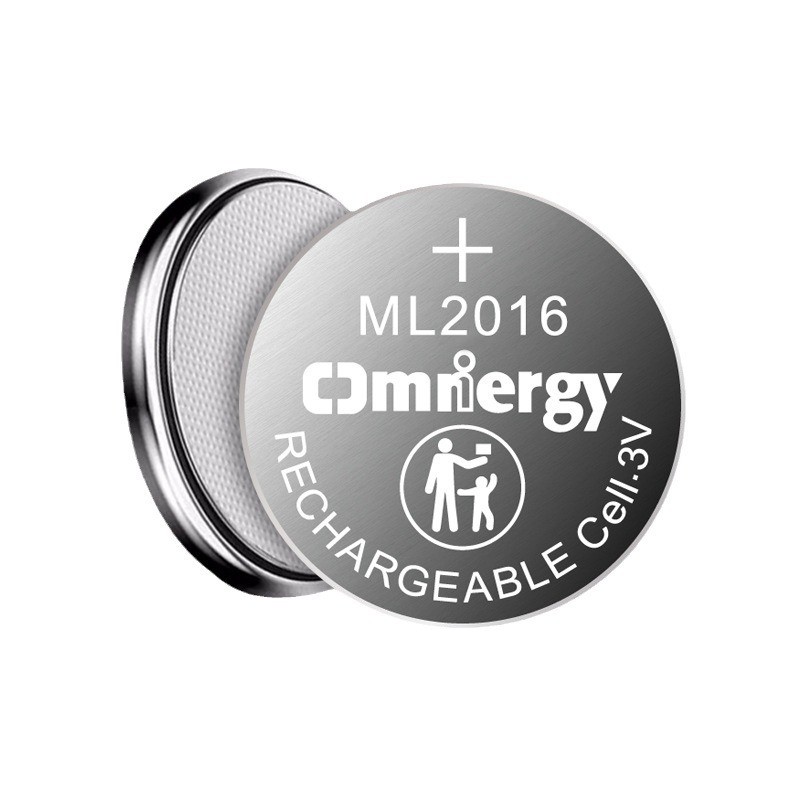
ML2016 3V 30mAh Rechargeable Lithium Aluminum Alloy Battery

- Omnergy
- China
- 15 days
- 750 million per year
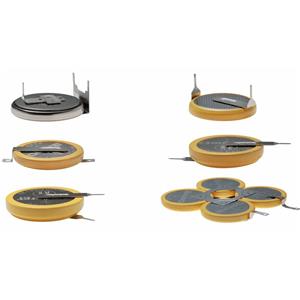
High-capacity, ultra-low profile ML2016 3V 30mAh rechargeable coin cell. Features a 1.6mm thickness, -20°C to +70°C range, and 400-cycle life. Best for NB, POS, and 3D printer CMOS backup.
ML2016 3V 30mAh Rechargeable Lithium Aluminum Alloy Button Cell Battery
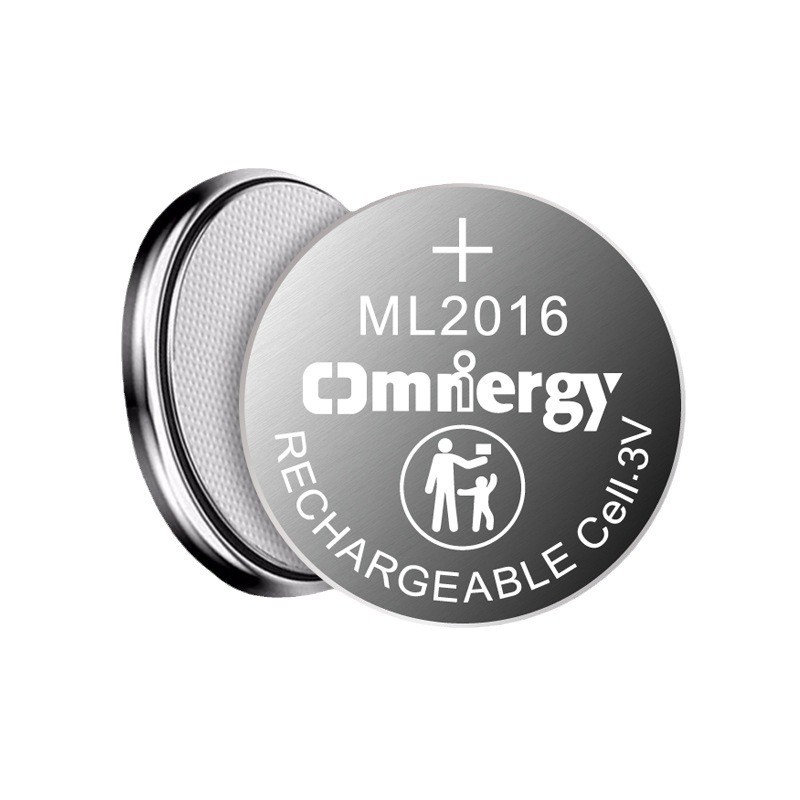
Low-Profile Architecture. Sustained Backup Power for Critical Circuitry.
Modern hardware engineering demands zero downtime for non-volatile memory and system clocks, even when primary power systems fail. The ML2016 3V 30mAh Rechargeable Lithium Aluminum Alloy Battery provides a highly stable, long-life backup solution engineered specifically for space-constrained, high-density PCBs.
With an ultra-slim profile of just 1.6mm and a diameter of 20.0mm, this secondary cell delivers an optimized 30mAh capacity. It serves as a permanent, maintenance-free energy reservoir, eliminating the need for periodic battery replacements over the device lifecycle.
Technical Parameters of ML2016 rechargeable battery
| Product Name | ML2016 Rechargeable Lithium Coin Cell |
| Nominal Discharge current | 0.2mA |
| Nominal Voltage | 3V |
| Nominal Capacity | 30(mAh) |
| Continuous standard load | 15(kΩ) |
| Nominal Charge current | 2.9mA |
| Operating temperature | -20℃~70℃ |
| Weight | 1.8(g) |
| UL Recognition | MH29853 |
| Storage temperature range | 0℃-30℃ |
Full Series of ML Type Rechargeable Lithium Coin Cells
| Model | Nominal Voltage(V) | Nominal Current (mA) | Nominal Capacity (mAh) | Charge-Discharge Cycle Characteristics Number of Cycles 10% DOD / 20% DOD | Max Dimension (mm) | Working Temperature(℃) | Weight(g) |
| ML1220 | 3 | 0.1 | 18 | 300/120 | φ12.5×2.0 | -20~+70 | 0.8 |
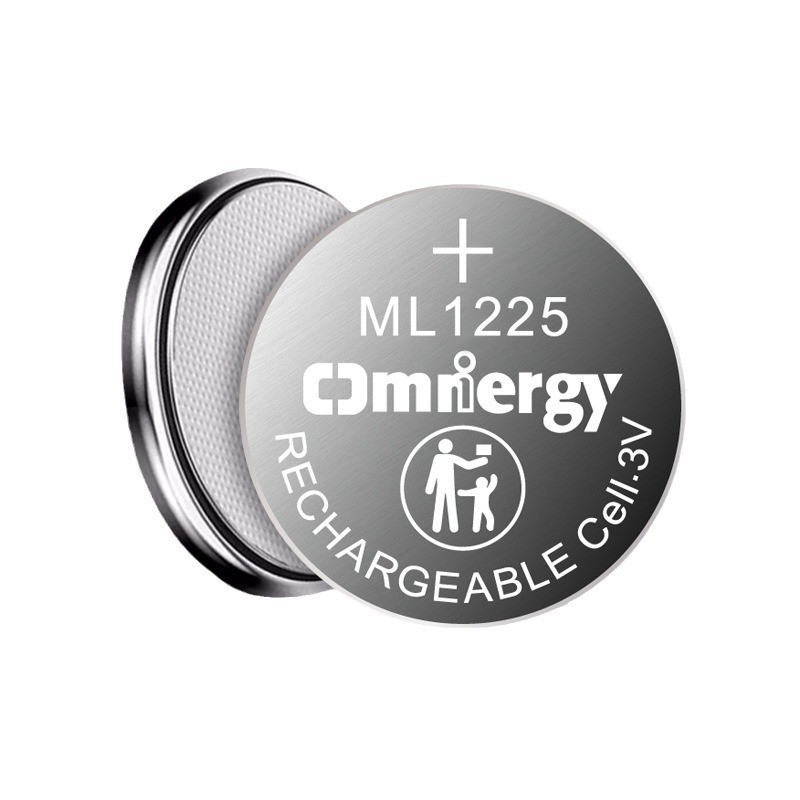
| ML1225 | 3 | 0.1 | 25 | 300/120 | φ12.5×2.5 | -20~+70 | 0.9 |
| ML 2016 | 3 | 0.2 | 30 | 400/180 | φ20.0×1.6 | -20~+70 | 1.8 |
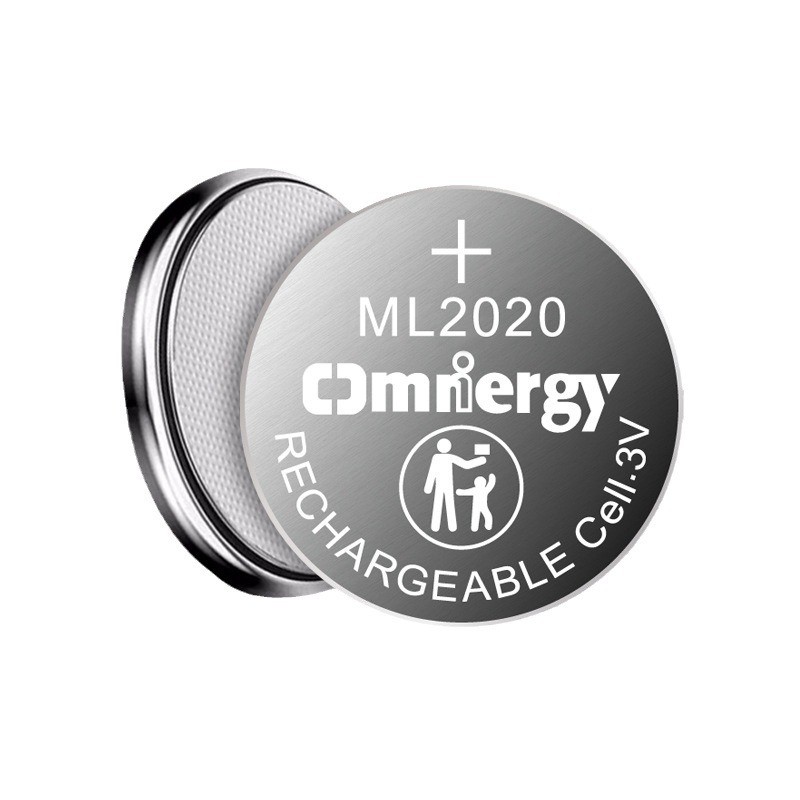
| ML 2020 | 3 | 0.2 | 40 | 400/180 | φ20.0×2.0 | -20~+70 | 2.2 |
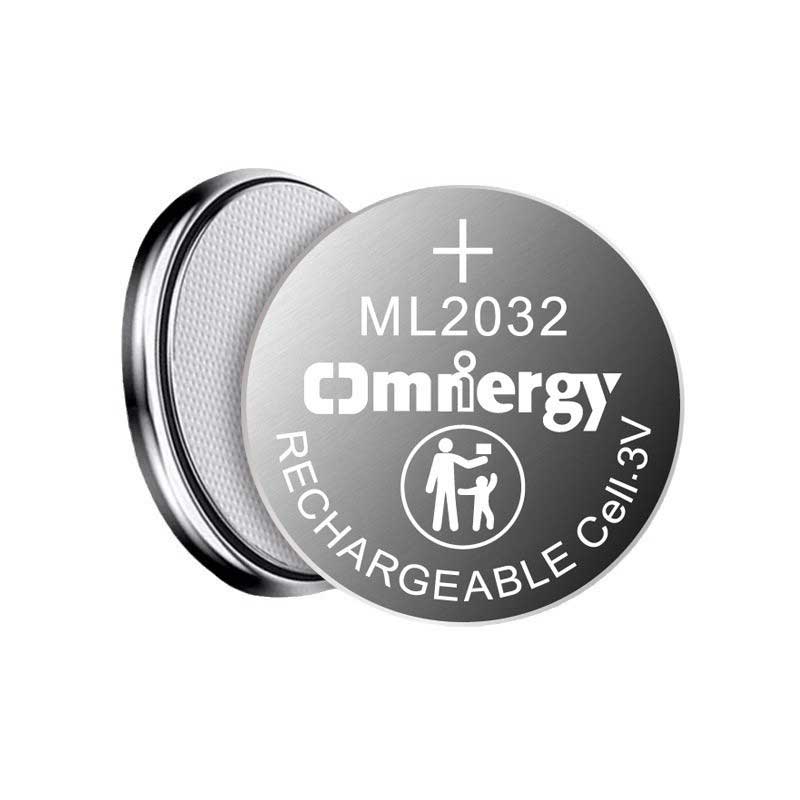
| ML 2032 | 3 | 0.2 | 65 | 600/300 | φ20.0×3.2 | -20~+70 | 3.1 |
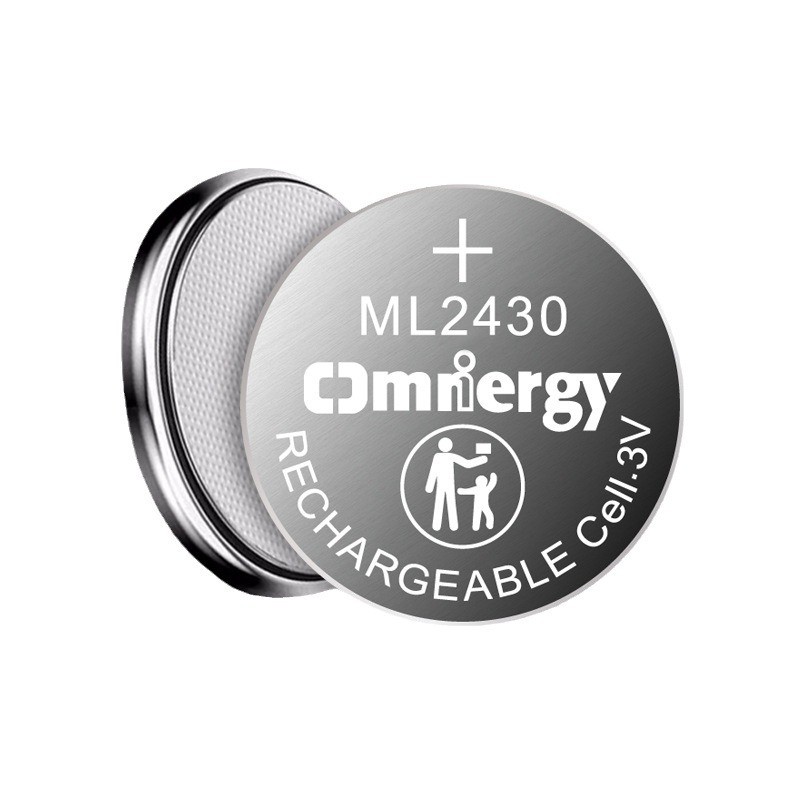
| ML 2430 | 3 | 0.3 | 100 | 1000/500 | φ24.5×3.0 | -20~+70 | 4.2 |
Engineered Advantages & B2B Benefits
1. Ultra-Low Profile SMT Compatibility
At a thickness of only 1.6mm, the ML2016 fits seamlessly into ultra-thin product enclosures. Its wide, flat footprint ensures excellent stability during automated pick-and-place surface mount (SMT) processes, saving crucial vertical overhead on multi-layered PCBs.
2. Advanced 400/180 Cycle Performance
Utilizing a highly stable lithium aluminum alloy anode, this cell is rated for 400 standard charge/discharge cycles (and up to 120-180 cycles under deep discharge retention variables). It matches the operational lifespan of commercial electronics, drastically reducing the Total Cost of Ownership (TCO).
3. Broad Temperature Stabilization (-20°C to +70°C)
Industrial hardware must endure volatile thermal environments. The internal chemical matrix of the ML2016 is designed to mitigate passivation at sub-zero temperatures (-20°C) and prevent thermal runaway or excessive self-discharge in high-heat zones (+70°C).
4. Flat Discharge Curve
Maintains a steady 3.0V output throughout its discharge cycle, ensuring sensitive real-time clocks (RTC) and security encryption chips receive clean power without voltage sags that trigger false system resets.
Key Industry Applications
Procurement managers and hardware architects specify the ML2016 across several core industrial sectors:
Notebooks & Ultra-Thin Computing (NB): Operates as the dedicated CMOS/RTC backup power supply. It safeguards system time, encryption certificates, and BIOS profiles when the primary laptop pack is disconnected or completely drained.
Commercial Security & Smart Access: Powers the volatile memory loops of enterprise smart locks, access panels, IP cameras, and alarm systems, keeping logs secure against tampering or grid blackouts.
Point-of-Sale (POS) Terminals: Protects transaction logs, internal cryptographic security keys, and local merchant audit trails on counter-top and handheld payment devices.
Industrial 3D Printers: Acts as the memory backup for mainboards, preserving print progress coordinates, nozzle calibration data, and firmware status lines during sudden power fluctuations.
Why Source Your ML2016 Supply From Us?
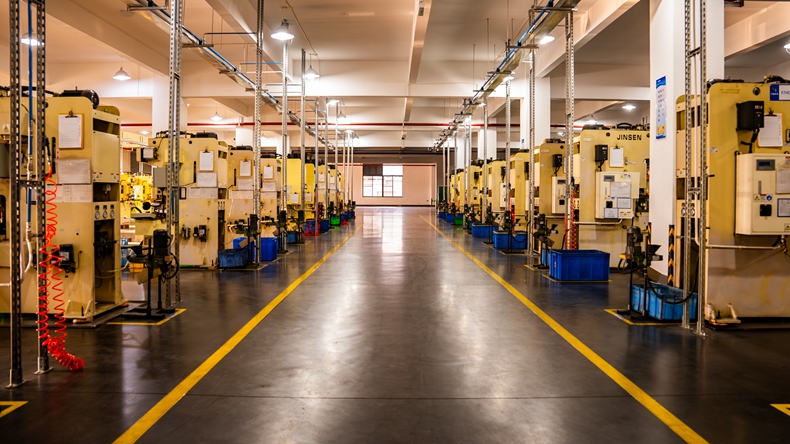
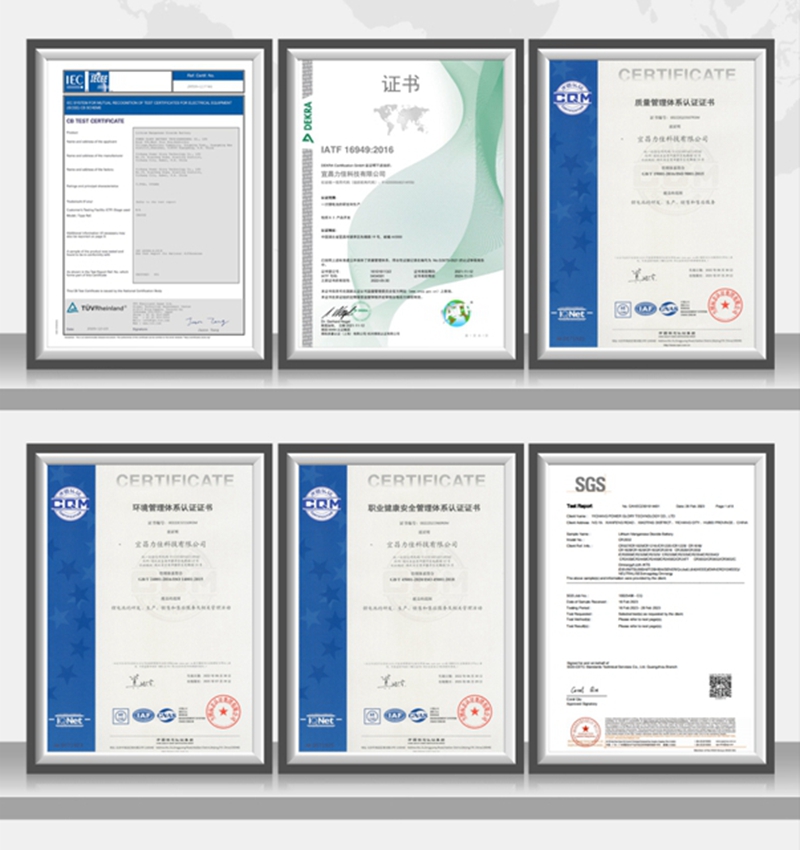
Zero-Defect Manufacturing: Every cell batch complies with stringent RoHS, CE, and UN38.3 safety parameters, utilizing automated leakage and capacity screening.
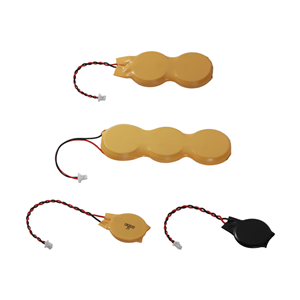
Custom Tab Welding: We configure horizontal, vertical, or custom-angled solder tabs precisely matching your schematic layout to ensure direct drop-in integration on your manufacturing line.
Direct Factory OEM/ODM Logistics: Enjoy predictable lead times, transparent volume pricing tiers, and direct engineering-to-engineering (E2E) technical consultation.

Frequently Asked Questions
Q1: Can an ML2016 replace a standard CR2016 battery?
A: No, they are not direct drop-in replacements without circuit modifications. The ML2016 is a secondary (rechargeable) battery requiring an active trickle-charging circuit from the host device. The CR2016 is a primary (disposable) lithium cell. Replacing a CR cell with an ML cell without a charge circuit will result in eventual depletion without recharge.
Q2: What is the main structural advantage of the ML2016 over the ML1220 or ML1225?
A: The ML2016 features a wider diameter (20.0mm vs. 12.5mm) but a significantly lower thickness (1.6mm). This low-profile geometry allows it to hold a higher capacity (30mAh) compared to the ML1220 (18mAh) or ML1225 (25mAh), while consuming less vertical space inside thin devices.
Q3: How does the 400/180 cycle characteristic impact product lifespan?
A: In most RTC and CMOS configurations, the battery experiences shallow micro-cycles. Under these conditions, the ML2016 easily achieves over 400 cycles, providing a reliable operational backup life that typically spans 5 to 10 years, aligning perfectly with industrial equipment lifecycles.