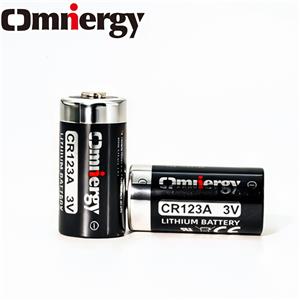
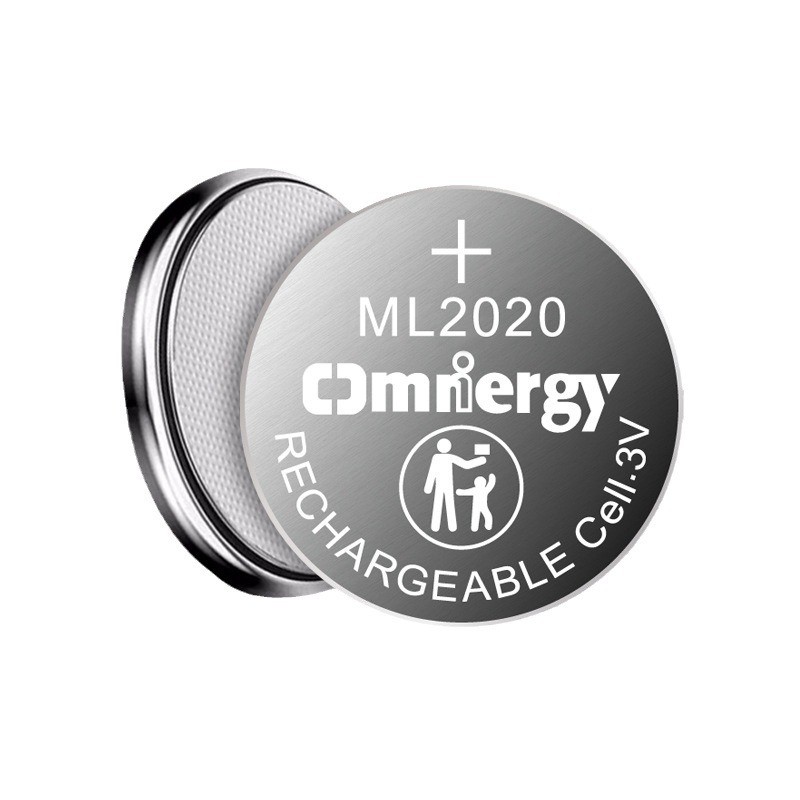
ML2020 3V 40mAh Rechargeable Lithium Aluminum Alloy Battery

- Omnergy
- China
- 15 days
- 1000 million per year
B2B wholesale ML2020 3V 40mAh rechargeable coin cell. 2.0mm low-profile, -20°C to +70°C operating range, 400-cycle life. Perfect for NB, POS terminals, and 3D printer CMOS retention.
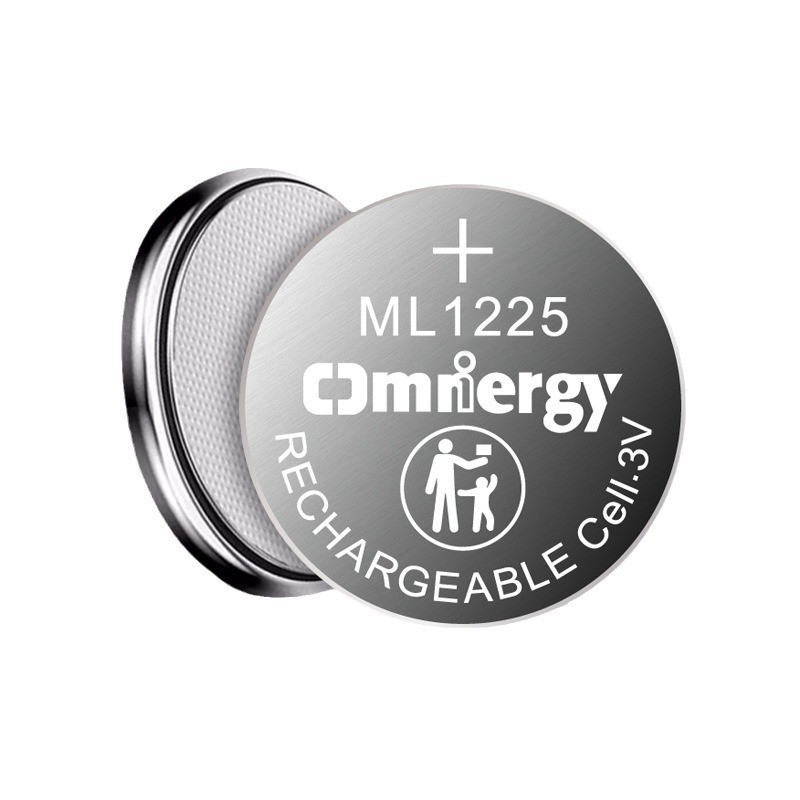
ML2020 3V 40mAh Rechargeable Lithium Aluminum Alloy Button Cell Battery
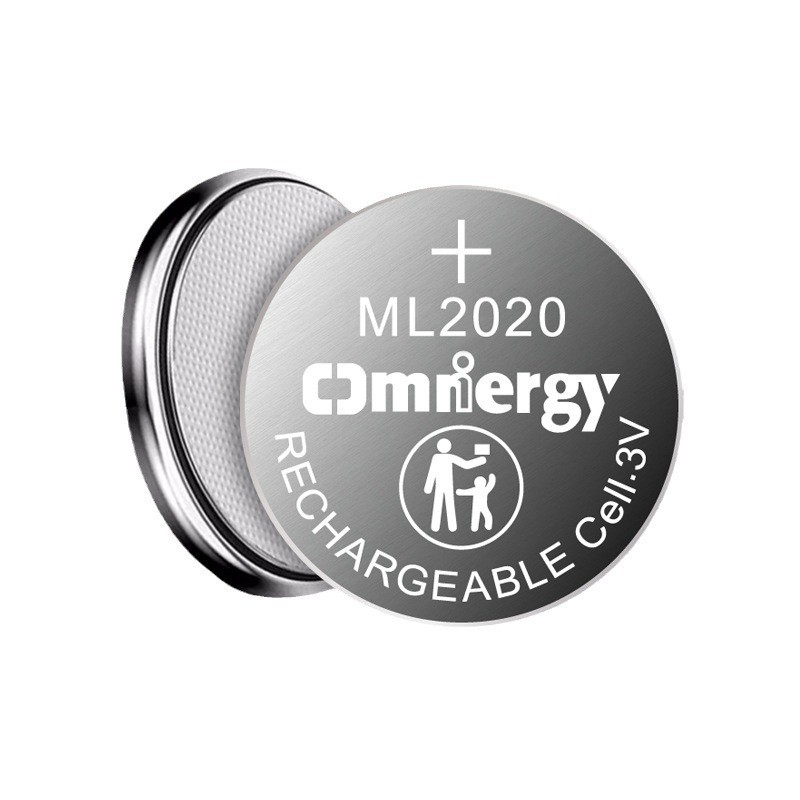
40mAh Extended Buffer. Zero-Downtime Memory Retention for Enterprise Hardware.
When designing hardware for mission-critical infrastructure, relying on low-capacity or disposable backup power introduces systemic vulnerabilities. The ML2020 3V 40mAh Rechargeable Lithium Aluminum Alloy Battery bridges the gap between ultra-compact micro-cells and bulky battery packs.
Engineered with a φ20.0 × 2.0mm form factor and weighing just 2.2g, this secondary cell offers an elevated 40mAh capacity reservoir. It is purpose-built to sustain real-time clocks (RTC) and volatile memory loops through prolonged power interruptions, outlasting smaller alternatives like the ML1220 or ML2016.
Technical Parameters of ML2020 rechargeable battery
| Product Name | ML2020 Rechargeable Lithium Coin Cell |
| Nominal Discharge current | 0.2mA |
| Nominal Voltage | 3V |
| Nominal Capacity | 40(mAh) |
| Continuous standard load | 15(kΩ) |
| Nominal Charge current | 2.9mA |
| Operating temperature | -20℃~70℃ |
| Weight | 2.2(g) |
| UL Recognition | MH29853 |
| Storage temperature range | 0℃-30℃ |
| Storage humidity range | 35%~75% |
Full Series of ML Rechargeable Lithium Coin Cells
| Model | Nominal Voltage(V) | Nominal Current (mA) | Nominal Capacity (mAh) | Charge-Discharge Cycle Characteristics Number of Cycles 10% DOD / 20% DOD | Max Dimension (mm) | Working Temperature(℃) | Weight(g) |
| ML1220 | 3 | 0.1 | 18 | 300/120 | φ12.5×2.0 | -20~+70 | 0.8 |
| ML1225 | 3 | 0.1 | 25 | 300/120 | φ12.5×2.5 | -20~+70 | 0.9 |
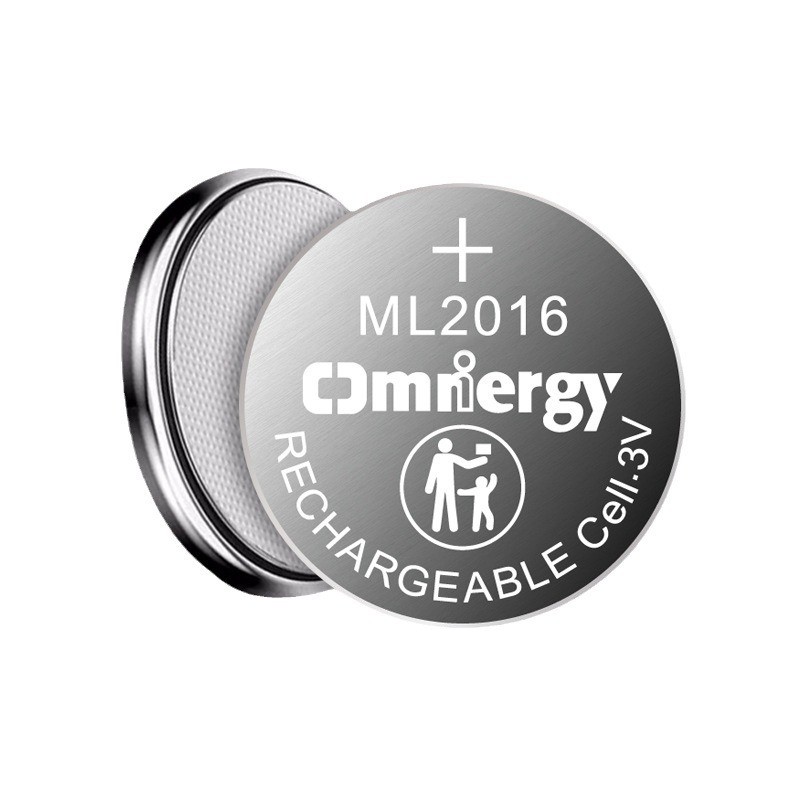
| ML 2016 | 3 | 0.2 | 30 | 400/180 | φ20.0×1.6 | -20~+70 | 1.8 |
| ML 2020 | 3 | 0.2 | 40 | 400/180 | φ20.0×2.0 | -20~+70 | 2.2 |
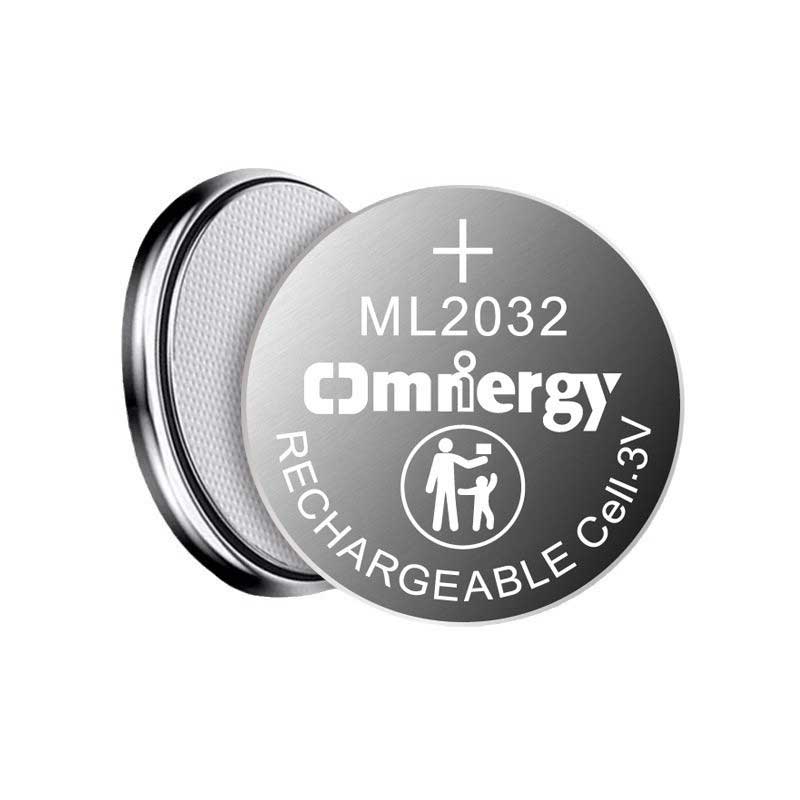
| ML 2032 | 3 | 0.2 | 65 | 600/300 | φ20.0×3.2 | -20~+70 | 3.1 |
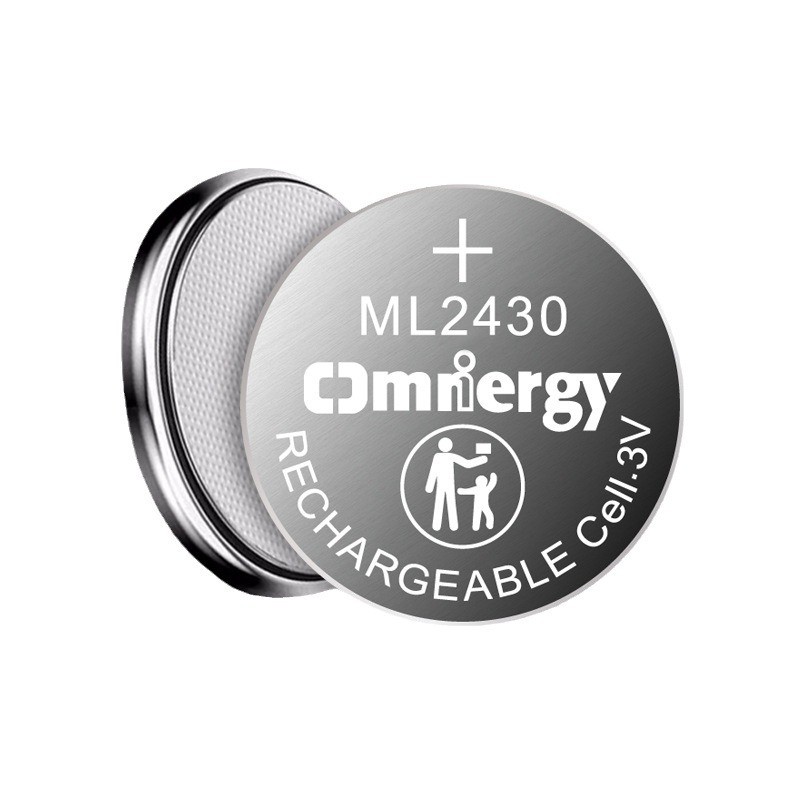
| ML 2430 | 3 | 0.3 | 100 | 1000/500 | φ24.5×3.0 | -20~+70 | 4.2 |
Engineering Features & Commercial Value
1. Extended 40mAh Operational Runway
The ML2020 offers a significant capacity advantage over thinner 20mm profiles. This extended energy density makes it the ideal choice for circuits with higher standby current draws, multi-chip memory systems, or systems requiring extended shelf-life security logs without primary system recharges.
2. High-Performance 400/180 Cycle Profile
Built using premium lithium aluminum alloy chemistry, the cell safely withstands 400 standard recharge cycles (and up to 180 deep retention cycles). In typical trickle-charged RTC architectures, this translates to a maintenance-free service life that matches or exceeds the 5-to-10-year operational lifecycle of industrial equipment.
3. All-Weather Environmental Integrity (-20°C to +70°C)
The internal chemical formulation prevents electrolyte degradation and high-temperature gas generation at up to +70°C, while retaining stable ionic conductivity at sub-zero temperatures (-20°C). This ensures uniform discharge curves regardless of field conditions.
4. Flat Discharge Profile
A continuous, stable 3V output protects sensitive CMOS components from the voltage drops that cause firmware corruption, register errors, or unexpected hardware lockouts.
Targeted Industry Deployments
Hardware architects and procurement managers integrate the ML2020 into hardware designs requiring long-duration data security:
Notebooks & High-End Mobile Workstations (NB): Powers high-drain server-grade boards, keeping BIOS configurations, system clocks, and cryptographic hardware tokens alive during extended storage or main battery failure.
Point-of-Sale (POS) & Payment Hubs: Protects encryption keys, transaction history logs, and PCI-compliance security configurations in local merchant hardware during main power failures.
Commercial Security & Access Infrastructure: Acts as the primary power fail-safe for access control panels, smart locks, and data logging systems in commercial surveillance architectures.
Industrial 3D Printing Systems: Preserves absolute print-head positioning data, extruder thermal logs, and file state registers, allowing industrial printers to recover cleanly from unexpected facility power drops.
Scalable B2B Supply Chain & Manufacturing Services
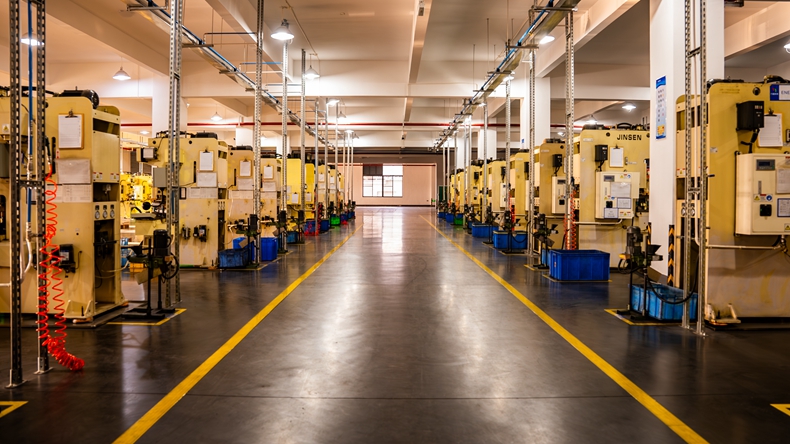
As a dedicated component partner, we understand the complexities of automated electronic manufacturing lines.
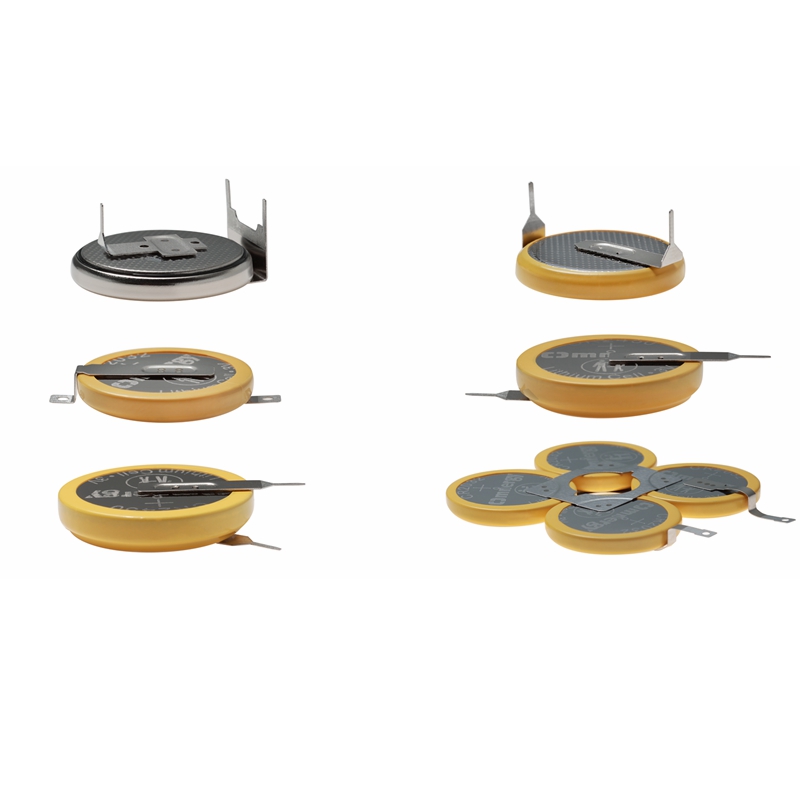
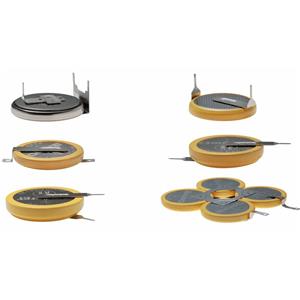
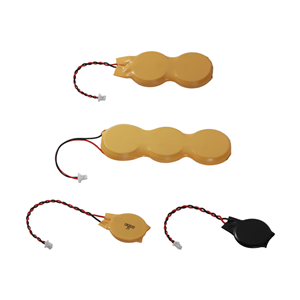
Custom Tab Welding & Automated Finishing: We offer precise, factory-welded horizontal tabs, vertical pins, or insulated wire harnesses to ensure a direct drop-in fit for your automated SMT or wave-soldering processes.
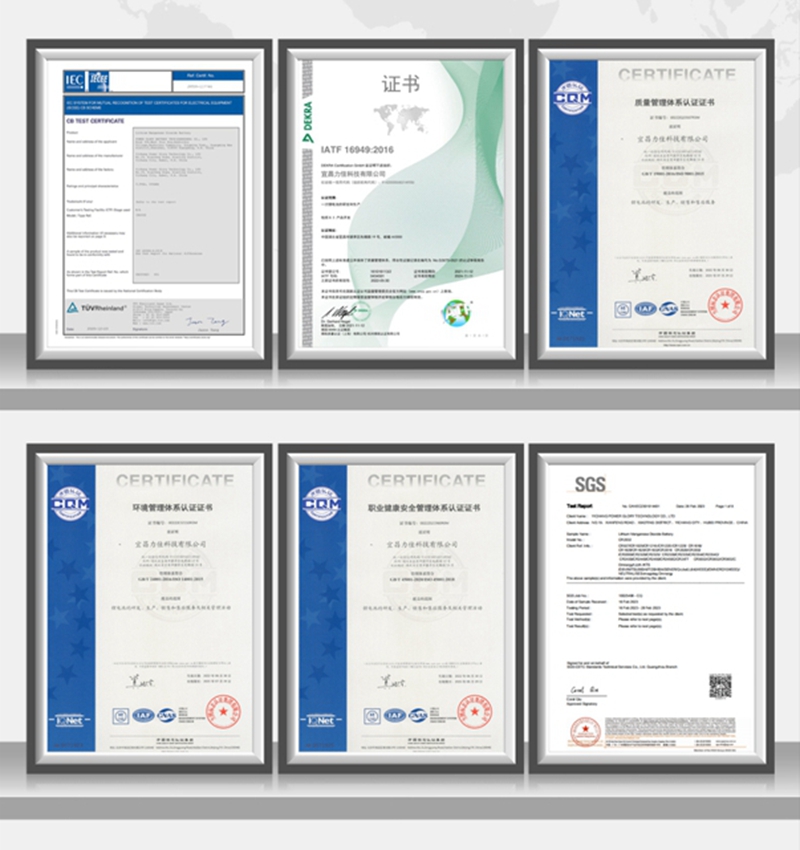
Compliance & Global Certification: Every production batch complies fully with RoHS, CE, and UN38.3 regulations, backed by rigorous leak-resistance and capacity verification testing.
Optimized Lead Times: Benefit from transparent volume pricing structures, reliable bulk packaging options, and steady supply commitments for high-volume manufacturing lines.
Frequently Asked Questions
Q1: What is the operational difference between the ML2020 and the ML2016 battery?
A: While both variants share a 20.0mm diameter, the ML2020 is slightly thicker at 2.0mm (compared to 1.6mm for the ML2016). This extra 0.4mm depth allows the ML2020 to deliver 40mAh of capacity—a 33% increase over the 30mAh capacity of the ML2016, making it better suited for devices with extended standby power requirements.
Q2: Can the ML2020 be used as a direct replacement for a disposable CR2020 battery?
A: No, not without circuit adaptation. The ML2020 is a secondary rechargeable cell that requires an integrated charging circuit on the host PCB. A standard CR2020 is a primary disposable cell; using an ML2020 in its place without a charging mechanism will result in permanent discharge once empty.
Q3: How does the 400/180 cycle characteristic protect industrial hardware?
A: Because backup RTC configurations typically draw micro-amps, the battery undergoes shallow micro-cycling rather than deep discharges. Under these everyday operating parameters, the ML2020 easily hits its peak 400-cycle threshold, ensuring the component remains maintenance-free for years without requiring physical servicing.