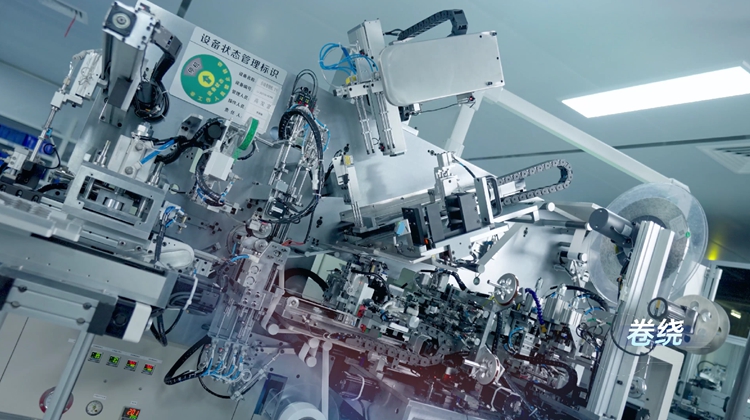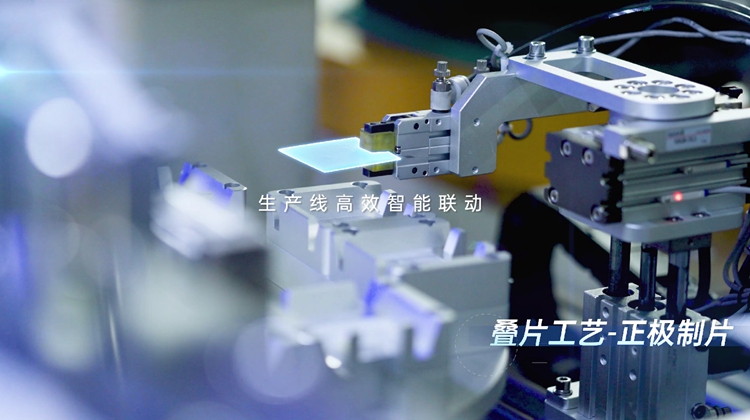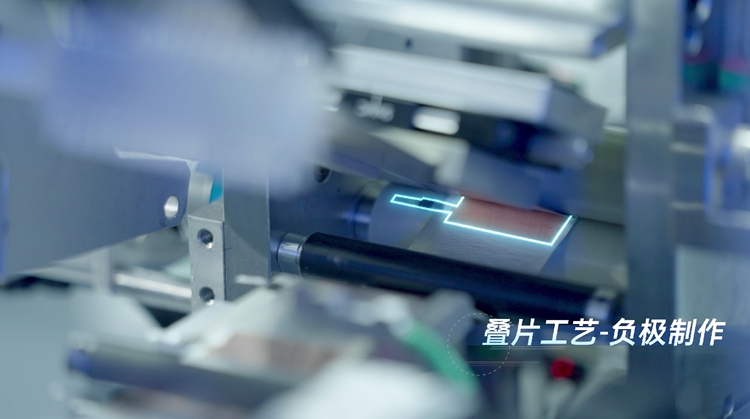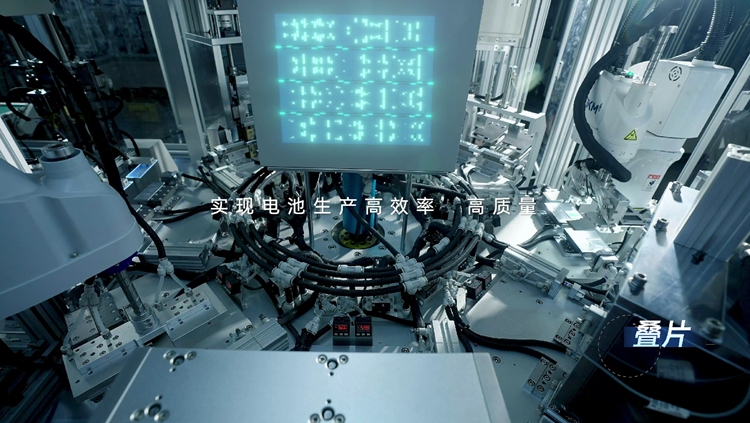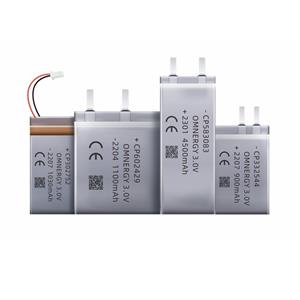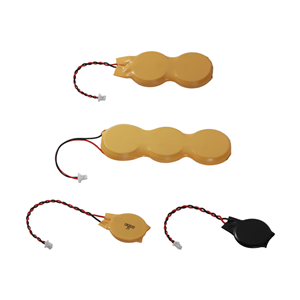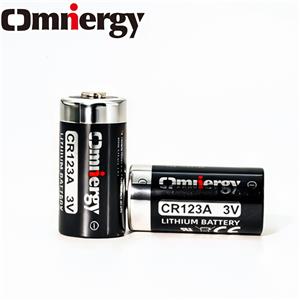
Production Process of Lithium-Manganese Pouch Cell Battery
Production Process of Primary Li/MnO₂ Pouch Cells
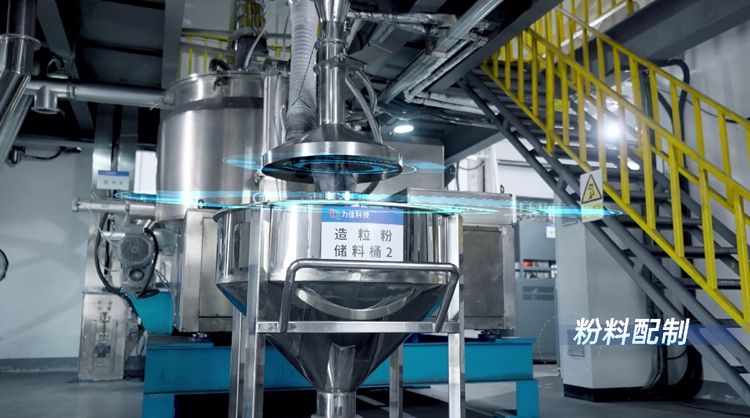
Cathode slurry mixing – Mix MnO₂ powder, conductive carbon, and binder (e.g., PVDF) with a solvent to form a uniform slurry.
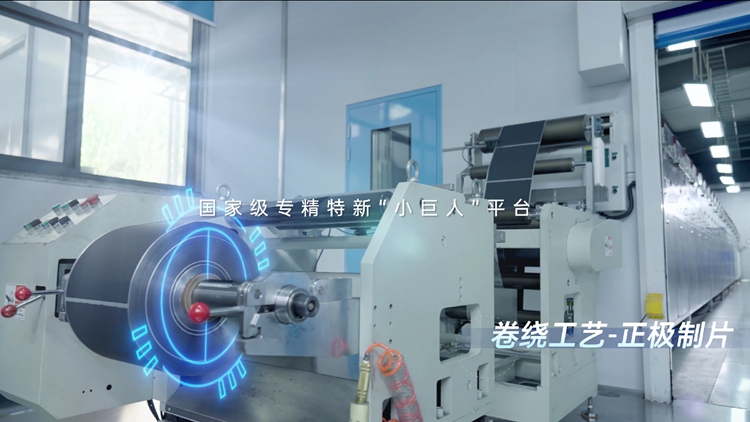
Cathode coating – Coat the slurry onto an aluminum foil current collector, then dry and calendar (press) it to the desired thickness.
Anode preparation – Press lithium metal foil onto a copper or nickel mesh (or use thin lithium foil directly as the anode).
Electrode slitting – Cut the coated cathode and lithium anode into required widths and lengths for pouch cell assembly.
Stacking – Place a microporous polypropylene (PP) or polyethylene (PE) separator between the cathode and anode, then stack the layers (cathode/separator/anode) into a flat stack.
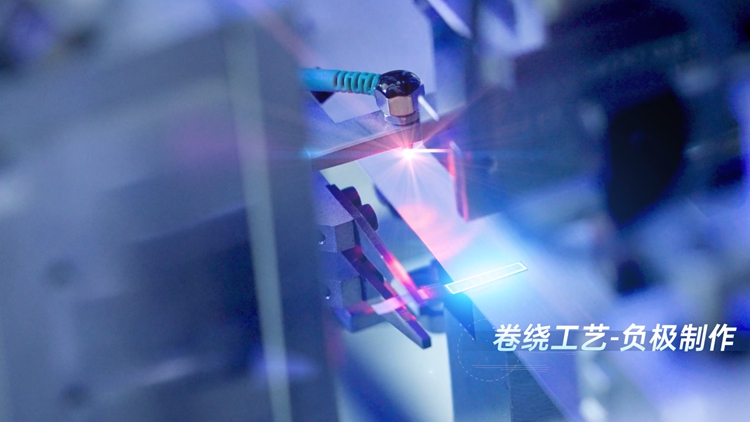
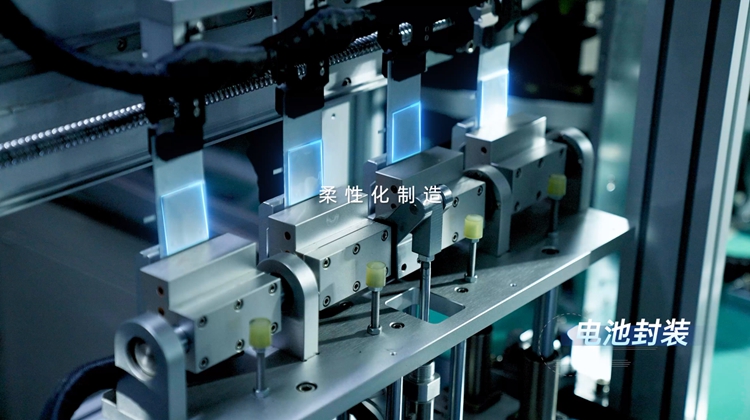
Tab welding – Weld aluminum tabs to the cathode and nickel tabs to the lithium anode.
Pouch forming – Insert the electrode stack into an aluminum laminated pouch film, leaving one side open for electrolyte filling.
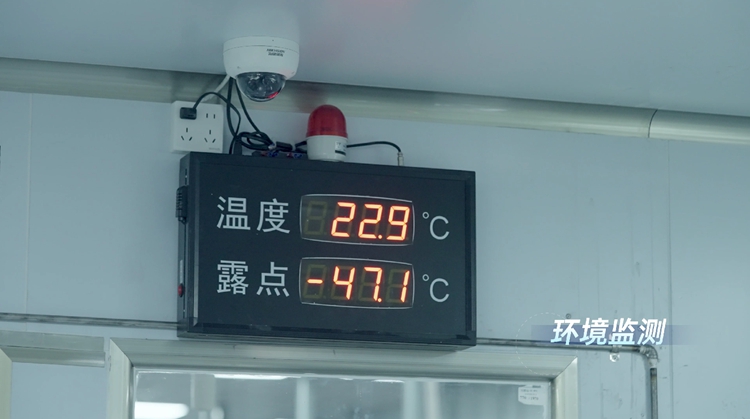
Drying – Dry the assembly under vacuum at elevated temperature to remove moisture (critical for lithium cells).
Electrolyte filling – Inject a lithium salt‑based organic electrolyte (e.g., LiPF₆ in EC/DMC) into the pouch.
Vacuum sealing – Seal the pouch under vacuum to ensure good internal contact and remove excess gas.
Formation & aging – Allow the cell to rest for several hours to let the electrolyte fully soak, then perform a low‑current formation step (activation) and measure open‑circuit voltage.
Degassing & final sealing – Cut open the pouch, remove any generated gas, and reseal it under vacuum.
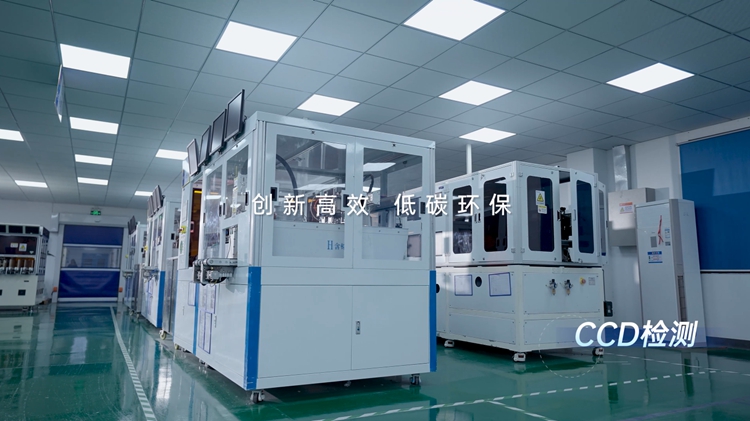
Inspection & testing – Check for voltage, internal resistance, and capacity before packaging.