Lithium-manganese pouch batteries: Innovative power solutions for wearable devices with limited space
Wearable devices are becoming increasingly prevalent, and their power requirements are becoming more stringent. Achieving safe, efficient, and long-lasting power within limited space has become a key bottleneck restricting industry innovation.
With the booming development of wearable devices such as smartwatches, fitness trackers, and smart glasses, consumer expectations for these devices have far exceeded basic functionality. Finding a balance between stylish appearance, comfortable wear, and long battery life has become the biggest challenge facing device manufacturers.
Traditional battery and rigid battery designs cannot meet the dual demands of modern wearable devices for flexible form factors and stable power supply. Primary lithium-manganese pouch batteries have emerged to address this need. Power Glory, with its unique flexible design and space-optimized characteristics, is quietly changing the power landscape of wearable devices.
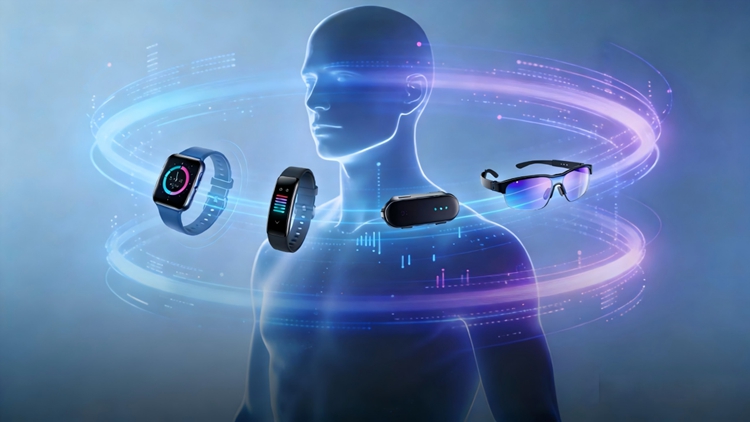
Power Challenges in the Wearable Era
In the 5G era, wearable products such as health monitoring, fitness tracking, and smart clothing are experiencing explosive growth. These devices not only require a continuous and stable power supply but also must possess exceptional flexibility, miniaturization, and customization capabilities to adapt to diverse wearable scenarios.
Market research data shows that the wearable device market share has exceeded $116.2 billion per year and is projected to reach $265.4 billion by 2026. This growth is even more pronounced in the healthcare sector. Driven by machine learning and big data analytics, the digital health market has already reached $11.639 billion and is projected to grow to $83.344 billion by 2027.
However, the conflict between limited device space and power supply volume is becoming increasingly prominent. Medical device companies are even being forced to design products around existing, fixed-shape batteries. Traditional battery architectures are prone to failure when deformed, such as electrode layer cracking or delamination, which severely limits the design freedom and performance of wearable devices.
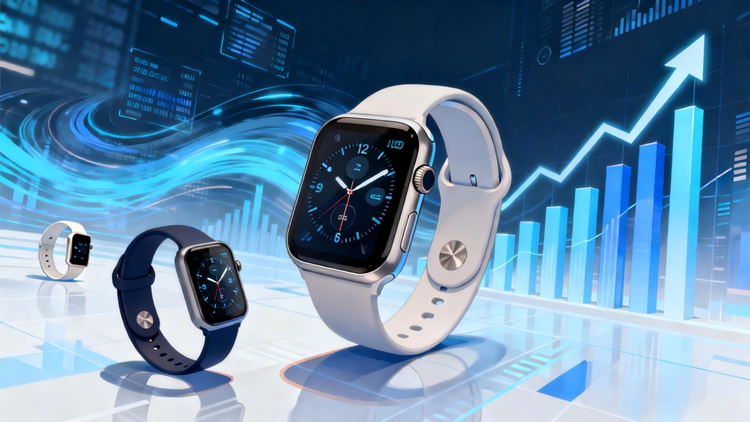
Power solutions for spatial art
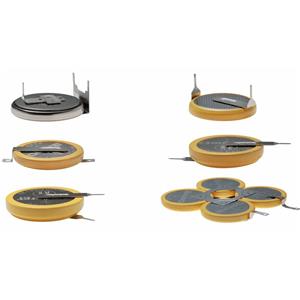
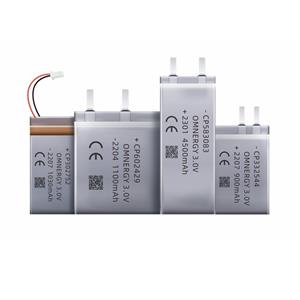
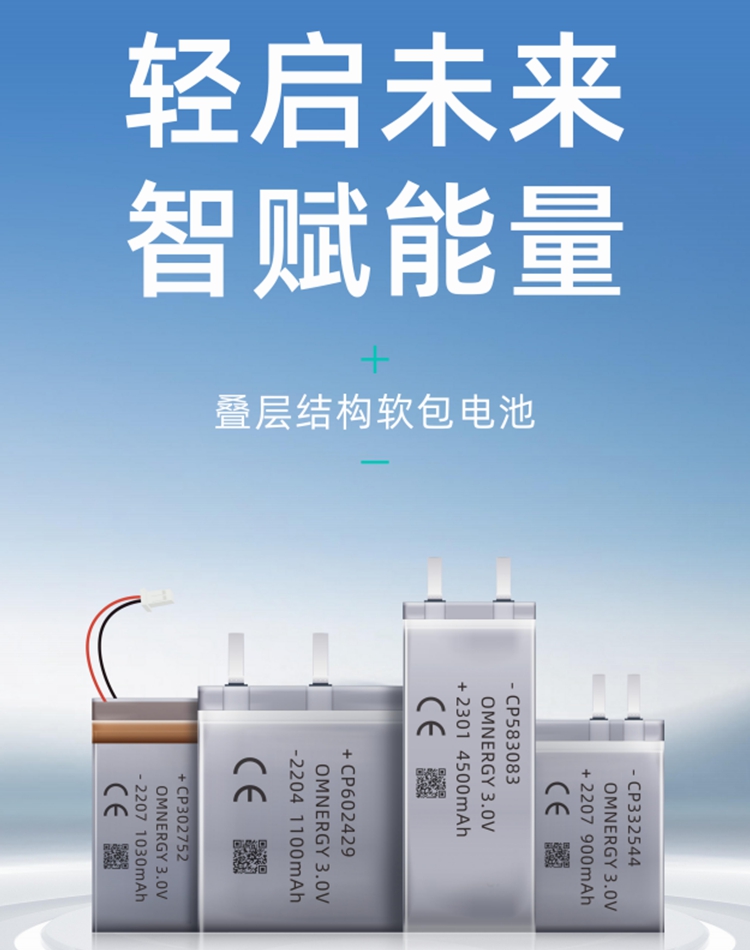
The lithium-manganese pouch battery is comprehensively optimized for space-constrained environments. Utilizing an ultra-thin laminated structure and a customized form factor, it perfectly adapts to the internal space constraints of wearable devices. Unlike traditional metal-cased batteries, the lithium-manganese pouch battery uses flexible packaging materials, such as aluminum-plastic film, instead of a rigid metal casing, significantly improving its adaptability.
These innovations allow the battery to adjust its shape according to the internal space of the device, maximizing the use of every millimeter of space. This miniaturization technology frees up valuable space within wearable devices.
Comprehensive improvement in safety and reliability
For wearable devices that come into close contact with the skin, safety and reliability are the most important factors for consumers. The primary lithium-manganese soft-pack battery prioritizes the highest safety standards in both material selection and structural design. It features a wide operating range (-20°C to +60°C), flexible design with adaptable shapes, and stable current, voltage, and discharge capacity. More importantly, it boasts a low self-discharge rate, with an average annual self-discharge rate of less than 1% at 20°C.
Customized solutions for diverse application scenarios
The flexibility of primary lithium-manganese pouch batteries allows them to provide tailored power solutions for the needs of various wearable devices. In the healthcare field, flexible custom batteries can be used in implantable medical devices, continuous health monitoring devices, and more. These devices require batteries with excellent compatibility and stability.
In the fitness tracking field, customized battery technology provides an ideal solution for smart clothing. These batteries are not only safe but also small and invisible, avoiding discomfort during exercise.
Future Development Trends and Prospects
With continuous advancements in materials science and manufacturing technology, primary lithium-manganese pouch batteries are developing towards higher energy density, greater flexibility, and greater environmental friendliness.
The future of wearable technology has arrived. Innovative solutions for primary lithium-manganese pouch batteries are quietly driving the next wave of innovation in wearable devices. From smart clothing to medical monitoring, from fitness trackers to implantable devices, these groundbreaking power technologies will bring endless possibilities to our daily lives.
In the near future, we may no longer need to worry about device battery life, because electricity will be as soft as fabric, as close to the body as clothing, silently integrating into every corner of our lives.
Revolutionary breakthrough in flexible technology
Wearable devices require a seamless fit with batteries, demanding superior and highly adaptable electrical performance from the batteries themselves. This inspired the research team at Power Glory.
With 21 years of experience and the wisdom of 600 people, we focus on one thing: providing customers with customized lithium micro-batteries and highly adaptable power solutions.