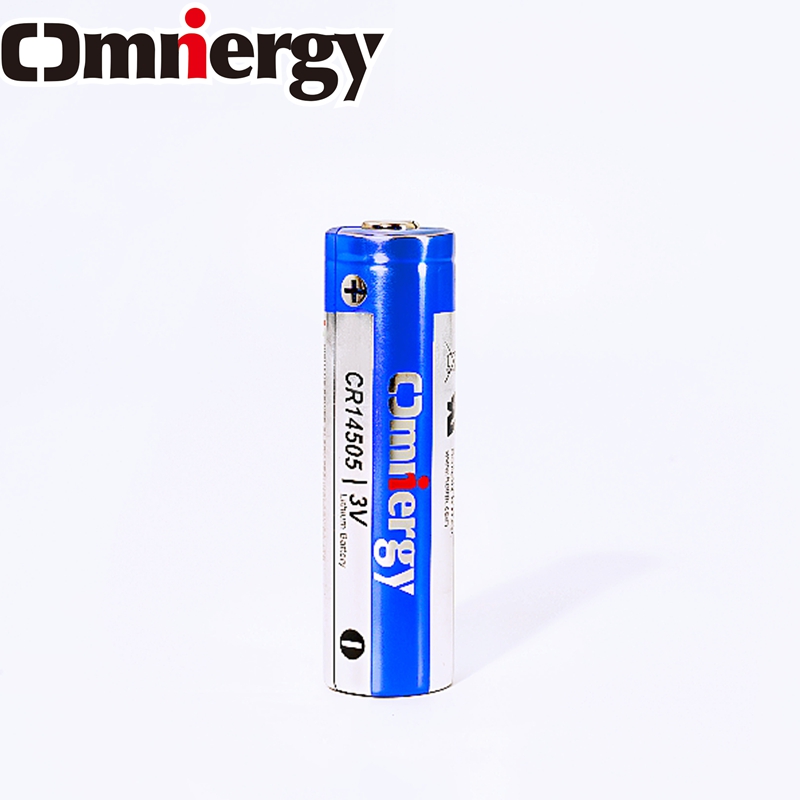
CR14505 3V 1600mAh Primary Lithium Manganese Dioxide LiMnO2 Cylindrical Battery

- Omnergy
- China
- 15 days
- 750 million per year
High-capacity industrial CR14505 3V 1600mAh primary lithium manganese battery LiMnO2. Features an ultra-low self-discharge (≤2%) and an extended -40°C to +70°C thermal range.
CR14505 3V 1600mAh Primary Lithium Manganese Dioxide LiMnO2 Cylindrical Battery
Standard AA Form Factor. Industrial-Grade Endurance. 1600mAh of Uncompromising Power.
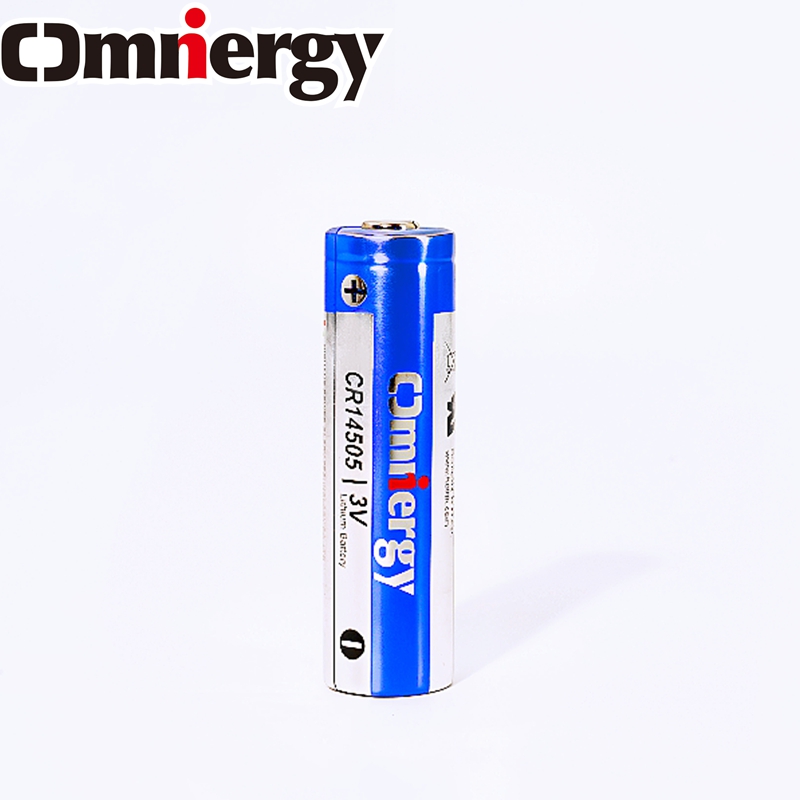
For infrastructure architects and hardware engineers designing long-lifecycle remote networks, power depletion translates directly to catastrophic system dropouts. The CR14505 3V 1600mAh Primary Lithium Manganese Battery provides the high-voltage, high-capacity baseline required to eliminate frequent field maintenance and battery swapping overhead.
Adopting the globally recognized AA form factor layout of 14.5 × 50.5mm and weighing 17g, this non-rechargeable cell delivers a massive 1600mAh energy reservoir. It is purpose-built to sustain volatile memory structures and drive sudden, high-current wireless RF transmissions across a decade of deployment.
Technical Specifications of CR14505 LiMnO2 Cylindrical Battery
| Industrial Engineering Parameter | Certified Value |
| Model Designation | CR14505 |
| Chemical Matrix | Lithium Manganese Dioxide (LiMnO2, Primary) |
| Nominal Voltage | 3.0V |
| Nominal Capacity | 1600mAh |
| Physical Dimensions | Diameter: 14.5 mm × Height: 50.5 mm |
| Net Weight | 17.0g |
| Annual Self-Discharge Rate | ≤ 2% per year (Stored at standard 20°C) |
| Operational Temperature Spectrum | -40°C to +70°C |
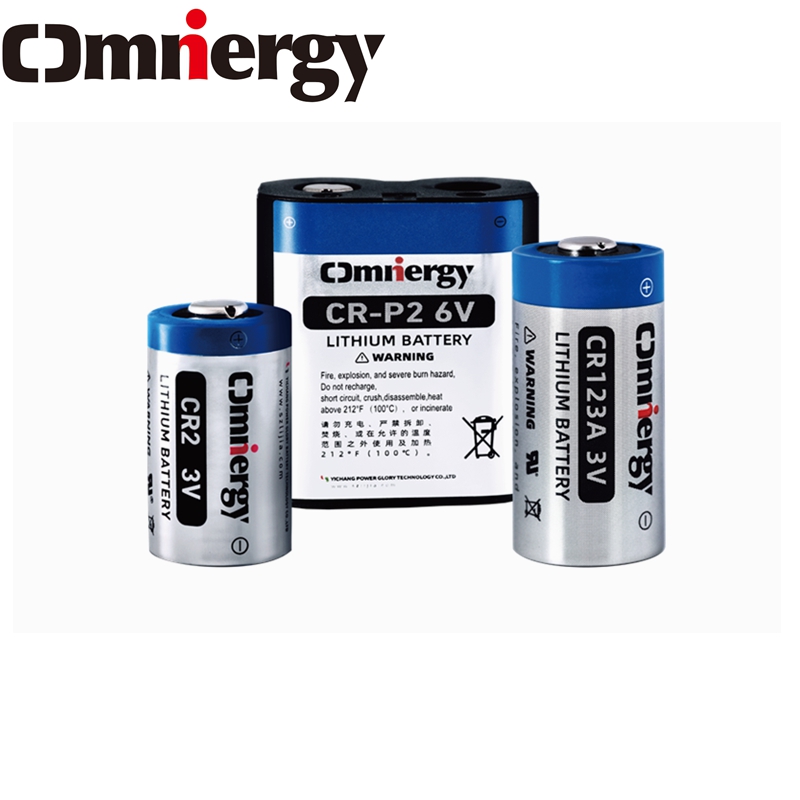
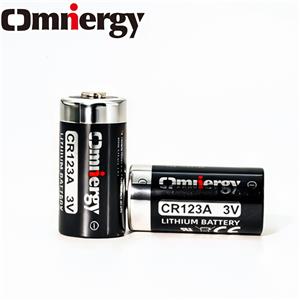
Full 3V Primary Lithium Manganese Dioxide LiMnO2 Cylindrical Batteries
| Model | Nominal Voltage(V) | Nominal Capacity (mAh) | Maximum Continuous Current (mA) | Maximum Pluse Current (mA) | Max Dimension (mm) | Working Temperature(℃) | Weight(g) |
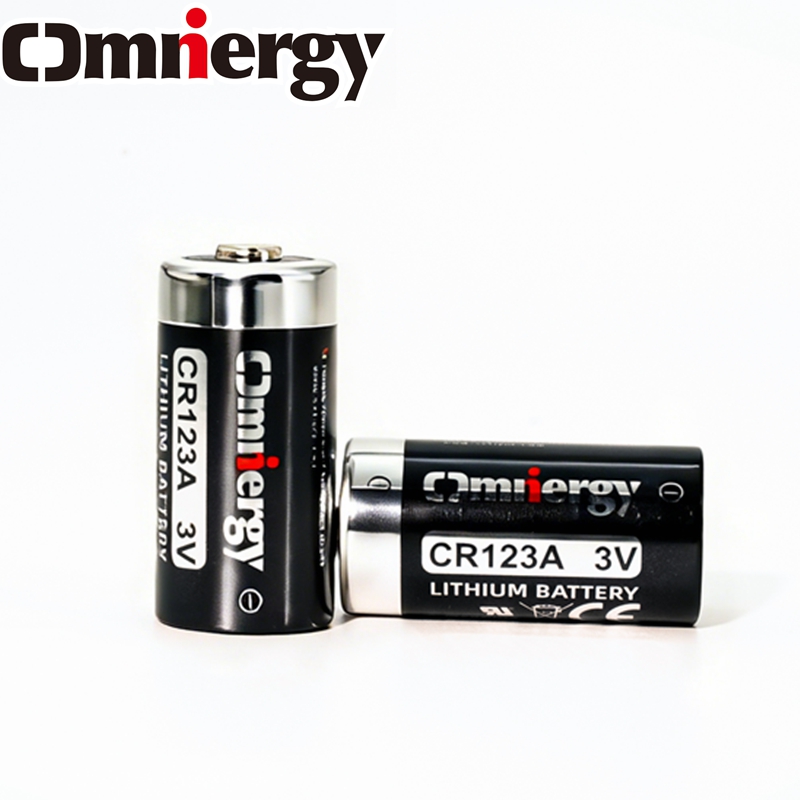
| CR123A | 3 | 1500 | 1500 | 3000 | Φ17.0*34.5 | -40~+70 | 16 |
| CR123A | 3 | 1700 | 1500 | 3000 | Φ17.0*34.5 | -40~+70 | 16 |
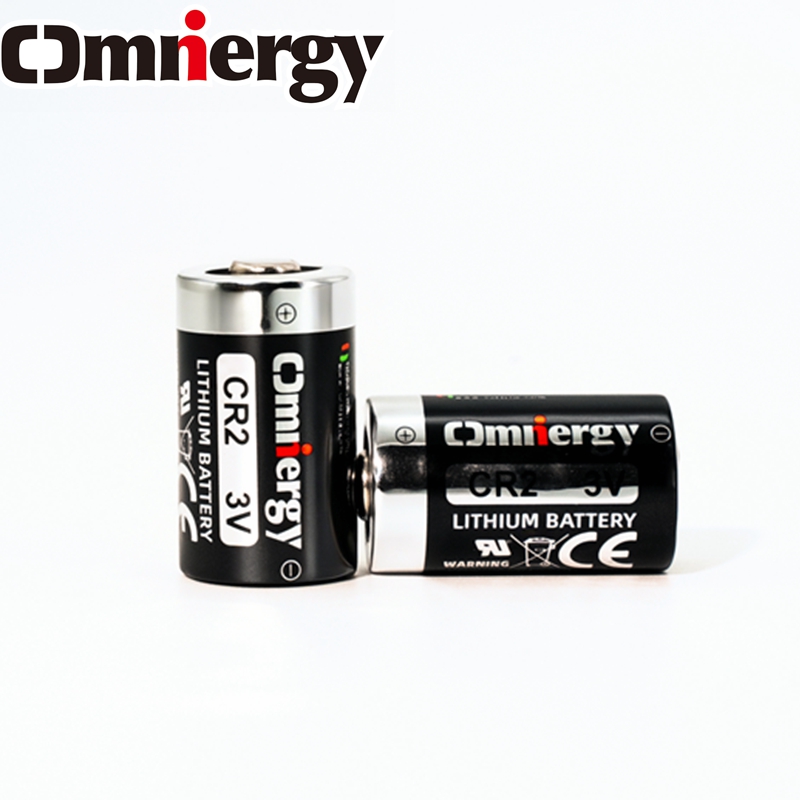
| CR2 | 3 | 900 | 1000 | 2000 | Φ15.6*27.0 | -40~+70 | 11 |
| CR2 | 3 | 1000 | 1000 | 2000 | Φ15.6*27.0 | -40~+70 | 11 |
| CR14250 | 3 | 800 | 800 | 1500 | Φ14.5*25.0 | -40~+70 | 9 |
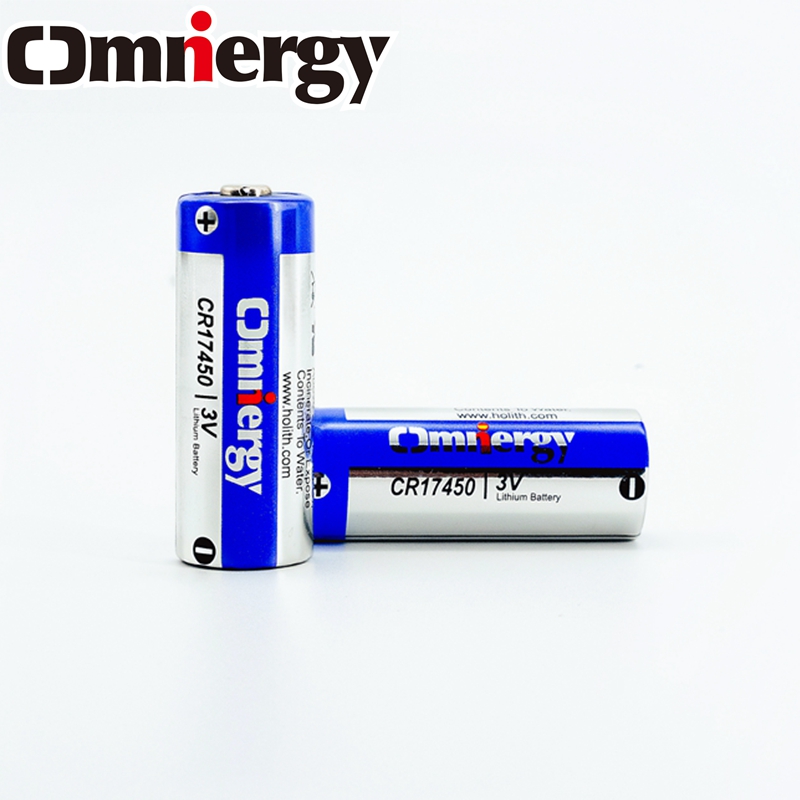
| CR17450 | 3 | 2400 | 1500 | 3000 | Φ17.0*45.0 | -40~+70 | 24 |
| CR14505 | 3 | 1600 | 1500 | 2000 | Φ14.5*50.5 | -40~+70 | 17 |
| CR-1/3N | 3 | 170 | 80 | 160 | Φ11.6*10.8 | -40~+70 | 3 |
| CR-P2 | 6 | 1500 | 1500 | 3000 | Φ19.5*36.0*33.4 | -40~+70 | 38 |
| CR-P2 | 6 | 1700 | 1500 | 3000 | Φ19.5*36.0*33.4 | -40~+70 | 38 |
Core Engineering Advantages & B2B Utility
1. High-Surface-Area Spiral-Wound Internals
Unlike standard bobbin-style cells that suffer from voltage lag during heavy loading, our CR14505 uses a precision spiral-wound inner electrode layout. This vastly increases the internal active surface area, enabling the battery to support the intense current spikes required by cellular transceivers, motorized latches, and positioning devices without dropping its terminal voltage.
2. A Decade of Field Storage (≤2% Annual Self-Discharge)
By combining a high-purity lithium metal anode with a hermetic glass-to-metal sealing system, the cell safely limits its idle internal chemical loss to less than 2% per year. This allows your equipment to sit in deep sleep mode or warehouse storage for up to 10 years and still deliver full rated capacity upon wake-up.
3. Radical Thermal Resistance (-40°C to +70°C)
Industrial field hardware cannot dictate environmental conditions. Our specialized low-viscosity organic electrolyte matrix maintains stable ionic conductivity in extreme freezing environments (-40°C) while resisting internal gas expansion, rapid self-discharge, or structural degradation in high-heat zones (+70°C).
Targeted Industry Deployments
Global procurement managers and electronic hardware designers specify the CR14505 across four highly demanding asset tracking and infrastructure verticals:
Marine, Subsurface & Aerospace Infrastructure
Petroleum Oil Wells: Powering subsurface logging instruments, data acquisition tools, and diagnostic drill string sensors exposed to extreme deep-earth pressures and ambient temperatures.
Marine Telemetry Systems: Acting as the primary power cell for remote oceanographic data buoys, tidal current loggers, and sonar tracking arrays.
Marine Lifesaving Systems: Fueling safety-critical emergency distress beacons, life raft GPS locators, and automated strobe lighting arrays.
Automotive & Remote Fleet Telematics
Tire Pressure Monitoring Systems (TPMS): Surviving intense continuous centrifugal forces and extreme pavement heat inside commercial heavy-duty wheel rims.
Tracking & Positioning Devices: Providing a long-term power baseline for cellular tracking modules fastened to global intermodal shipping containers and rail fleets.
Wireless Communication Infrastructure: Powering remote radio frequency (RF) links, mesh network nodes, and field telemetry relays.
Industrial Automation, Data Security & Utilities
Memory & Data Backup Power: Securing volatile registers and non-volatile memory files in industrial programmable logic controllers (PLCs) and enterprise servers.
Clock Power Supply: Guaranteeing continuous runtime for internal real-time clocks (RTC) on heavy mainboards during facility power blackouts.
Automated Instrumentation Equipment: Serving as the long-life internal power source for flow meters, field calibration tools, and digital testing metrics arrays.
Temperature Monitors & Smart Meters: Powering environmental temperature loggers alongside intelligent municipal gas, water, and heat meters.
Commercial Security, Medical Tech & Professional Optics
Security Alarms: Fueling commercial wireless passive infrared (PIR) sensors, glass-break detectors, automated commercial sirens, and facility entry alarms.
Medical Devices: Delivering completely dependable power loops for portable diagnostic instruments, laboratory clinical analyzers, and clinical field monitors.
High-Intensity Flashlights & Digital Cameras: Supplying rapid energy recycling for tactical optics, high-lumen illumination gear, and professional digital imaging hardware.
Custom B2B Manufacturing & Supply Services
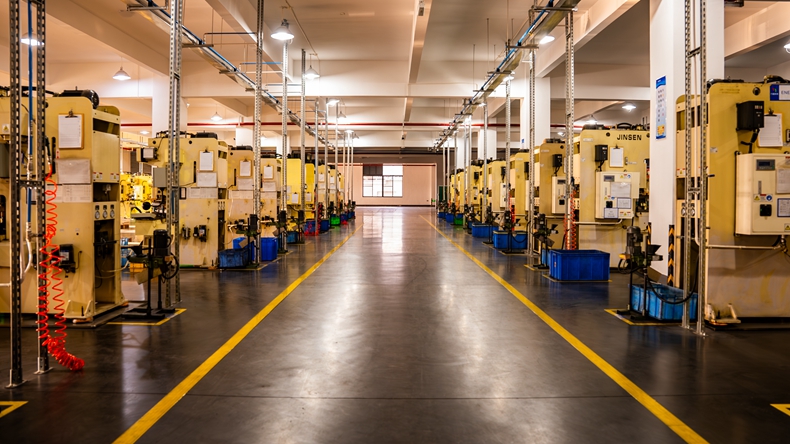
We provide the engineering flexibility required to smoothly integrate our cells into your automated assembly and production lines.
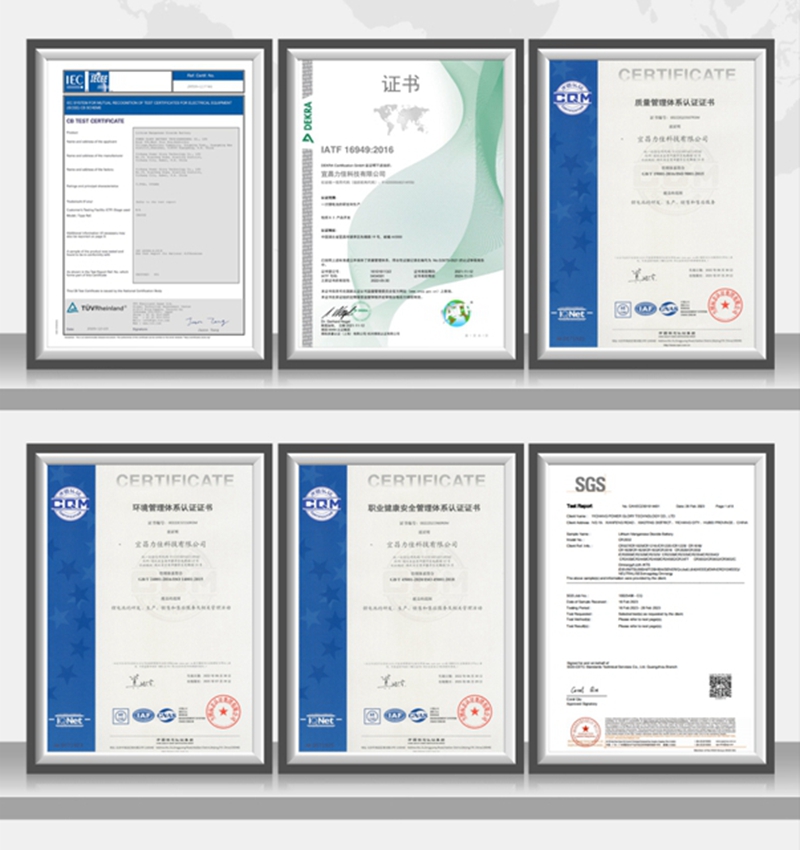
Strict Quality Control Validation: 100% automated screening for open-circuit voltage, closed-circuit load performance, and environmental leak resistance under UN38.3, RoHS, CE, and UL1642 protocols.
Scalable Bulk Supply Logistics: Shipped in specialized anti-static industrial trays designed to prevent cell-to-cell shorting, optimized for automated factory pick-and-place lines.
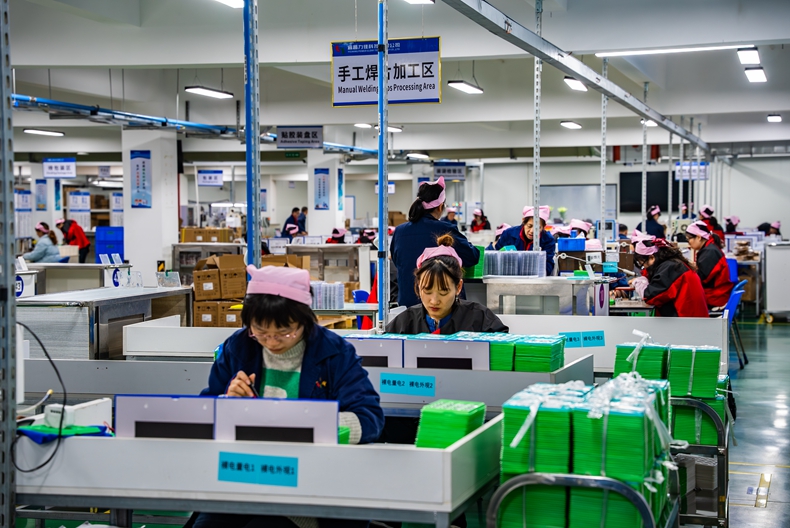
Frequently Asked Questions
Q1: Can a CR14505 battery be used as a direct replacement for a standard 1.5V AA battery?
A: No, they are not directly interchangeable despite having the exact same dimensions. A standard consumer AA battery delivers 1.5V, whereas the CR14505 delivers 3.0V. Inserting a 3V lithium cell into a device configured for 1.5V will likely burn out the circuitry or damage the microprocessors. Always verify your device schematic’s acceptable input voltage range before installation.
Q2: Is the CR14505 battery rechargeable?
A: No. The CR14505 is a primary (single-use) lithium manganese dioxide battery. It cannot be safely recharged. Attempting to force current into this cell will break down the internal hermetic seal, leading to electrolyte leakage, internal short circuits, or thermal runaway.
Q3: Why is a spiral-wound structure preferred over a bobbin-style cell for tracking and wireless communication?
A: Bobbin-style lithium cells offer slightly higher energy capacity but suffer from lower rate capability and severe voltage passivation during high-current demands. Wireless communication devices (GPS, cellular, RF modules) require sudden, intensive pulse currents to transmit data data packets. The spiral-wound architecture of our CR14505 provides the necessary high surface area to deliver these rapid pulses cleanly without causing terminal voltage sags.